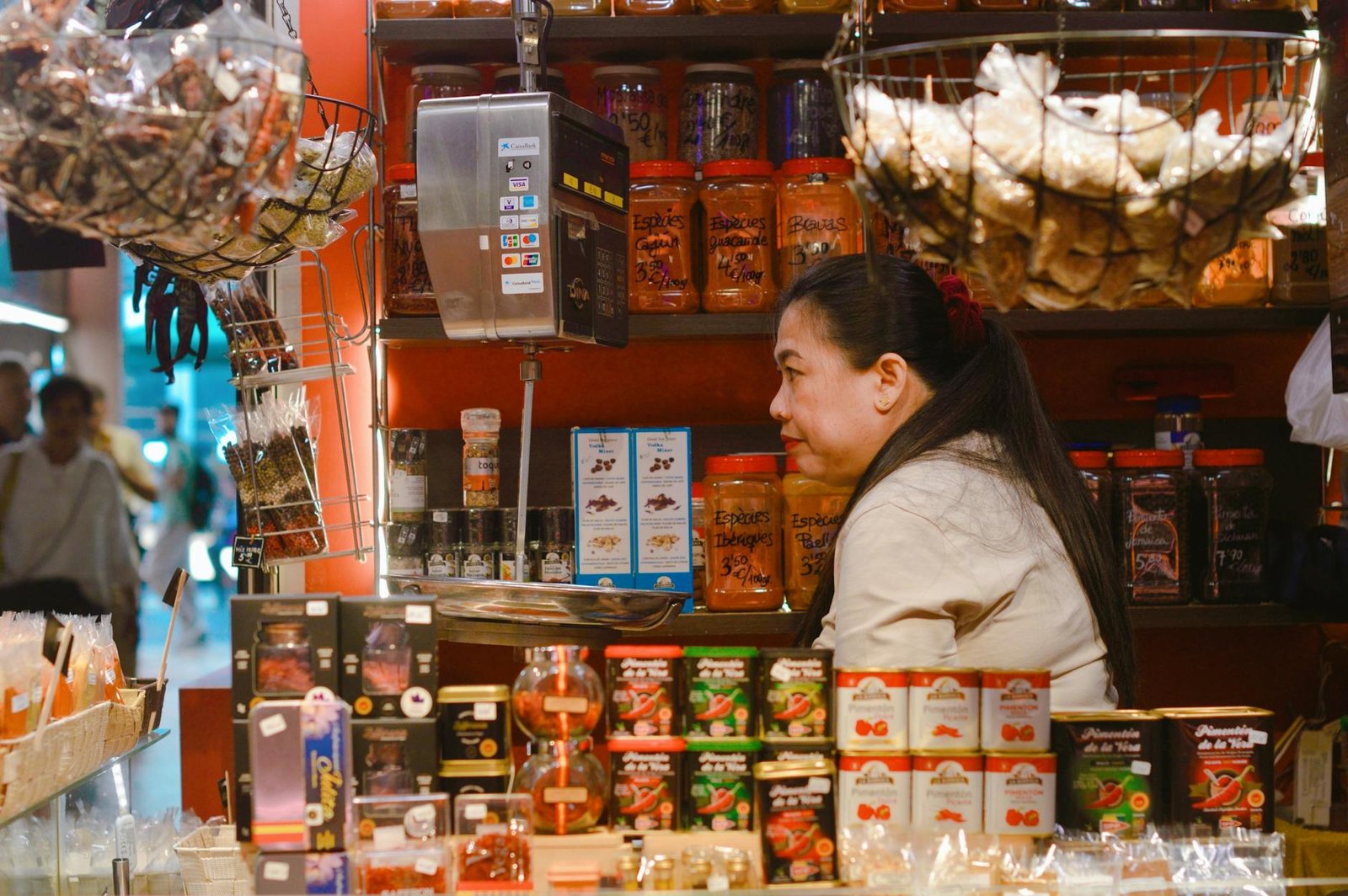
Barcelona Food Tour – Best Local Food & Restaurants
Barcelona Food Guide: A Culinary Journey Through Catalonia’s Capital
Barcelona is one of Europe’s most exciting food destinations — a city where century-old recipes and genuinely experimental cooking exist within the same city block, sometimes within the same menu. From the smoky, grease-stained tapas bars tucked into the Gothic Quarter’s narrow streets to the polished restaurants along the waterfront charging serious money for serious food, every meal here feels like it has something to say. This guide cuts through the noise and tells you what’s actually worth eating.
The History of Barcelona’s Food Culture
Barcelona’s food culture is inseparable from Catalan identity. This isn’t “Spanish food” — locals will correct you on that immediately, and they’re right to. Catalonia has sat at the crossroads of Mediterranean civilizations for over two thousand years, and every wave of settlers, traders, and conquerors left something behind on the local table.
The Romans established olive oil, wine, and wheat as the foundations of cooking here — the same foundations that still anchor Catalan cuisine today. During the medieval period, Catalonia was a maritime powerhouse with trade routes stretching from North Africa to the Italian city-states, and Catalan merchants came home with spices, techniques, and ideas that shaped the cuisine in ways you can still taste. That’s where the distinctly Catalan habit of combining sweet and savory came from — fruit with meat, nuts with seafood — combinations that still catch first-time visitors off guard in the best possible way.
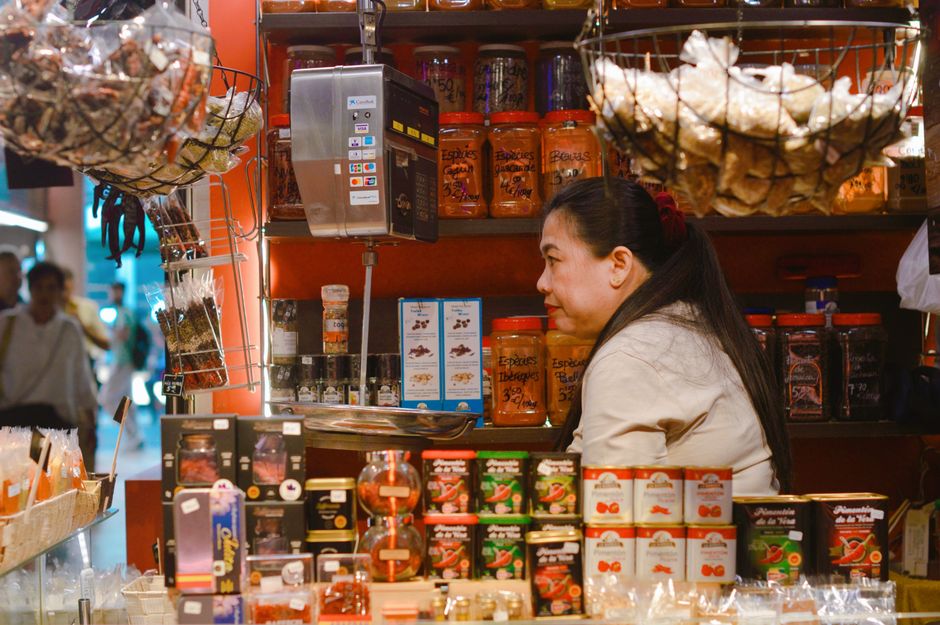
The 19th century reshaped the city physically and gastronomically. La Boqueria — officially the Mercat de Sant Josep de la Boqueria — got its permanent iron structure in 1840 and became the pulsing center of Barcelona’s food life. Meanwhile, the newly built Eixample neighborhood was filling up with bourgeois families who wanted sophisticated restaurants and pastry shops to match their new surroundings. Some of those grand cafés and confectioneries are still open today. They’re worth visiting less as tourist attractions and more as genuine living history you can eat.
The 20th century was brutal. The Spanish Civil War and Franco’s dictatorship actively suppressed Catalan culture and language for decades. But food traditions are stubborn — they survived in home kitchens and family-run restaurants, passed down quietly from one generation to the next. When democracy returned in the late 1970s, Catalan cuisine came roaring back. By the 1990s and early 2000s, the city had become ground zero for the molecular gastronomy revolution, driven largely by Ferran Adrià and El Bulli up the coast on the Costa Brava. Adrià didn’t just change Catalan cooking — he changed how chefs everywhere thought about food. That spirit of creative disruption still runs through Barcelona’s restaurant scene today.
Walk around the city now and you’ll see what that history produces. An old woman in Gràcia making pan amb tomàquet exactly the way her grandmother showed her. Three streets over, a 30-year-old chef running a tasting menu that pulls Catalan classics through a Japanese lens. Both of them are doing something authentically Barcelonan. That tension between deep tradition and relentless reinvention is what makes eating here so consistently interesting.
Must-Try Foods in Barcelona
Six dishes. That’s your starting point. Not because there aren’t dozens of other things worth eating — there are — but because these six tell you most of what you need to know about Barcelona’s culinary identity. Get these right and everything else starts to make sense.
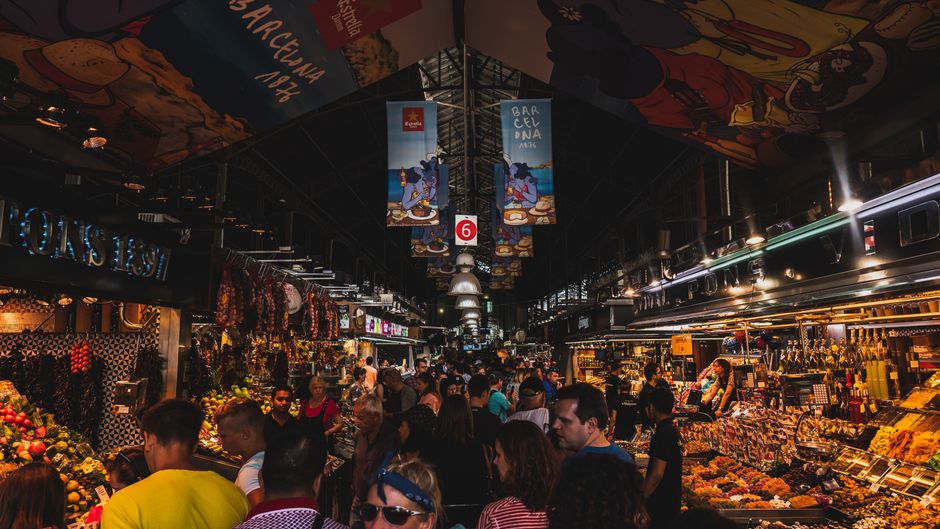
Pan amb Tomàquet
This is the one. If you eat nothing else in Barcelona, eat this. Pan amb tomàquet — bread with tomato — sounds like it shouldn’t require explanation, but you need to understand what it actually is before you encounter it, because it will confuse you if you’re expecting something elaborate.
Thick rustic bread, ideally pa de pagès, gets toasted over an open flame until the outside crisps and the inside stays slightly chewy. Then a ripe tomato, halved crosswise, is rubbed hard against the hot surface — not spread, rubbed — until the bread absorbs the juice, pulp, and acidity. A real pour of good extra virgin olive oil. Coarse salt. That’s it. The entire recipe. And somehow it’s one of the most satisfying things you will eat in this city, or possibly anywhere.
Pan amb tomàquet is everywhere — neighborhood bars, upscale restaurants, your hotel breakfast if it’s any good. It shows up alongside almost every meal. Use it as a base for jamón ibérico or anchovies, or just eat it plain at 11am with a coffee. There’s no bad version of this if the ingredients are decent, though there are plenty of lazy versions using mediocre tomatoes and cheap olive oil. You’ll taste the difference immediately.
Paella and Fideuà
Paella is Valencian, not Barcelonan — and yes, that distinction matters. The waterfront restaurants here do serve it, and some versions are genuinely good, but if you want something that actually belongs to this city, order fideuà instead. Most tourists walk right past it on the menu. Don’t.
Fideuà swaps rice for short, thin noodles called fideos. They cook in rich seafood broth — built from shrimp heads, fish bones, and aromatics — until they’ve absorbed everything and the bottom layer has developed the socarrat, that deeply caramelized crust that locals will literally argue over. The seafood gets nestled in as the noodles cook: clams, mussels, shrimp, cuttlefish. The whole thing arrives at the table smelling powerfully of the sea. Then you stir in allioli — Catalonia’s garlic mayonnaise — according to your preference, which is the correct amount to add regardless of what anyone else at the table thinks.
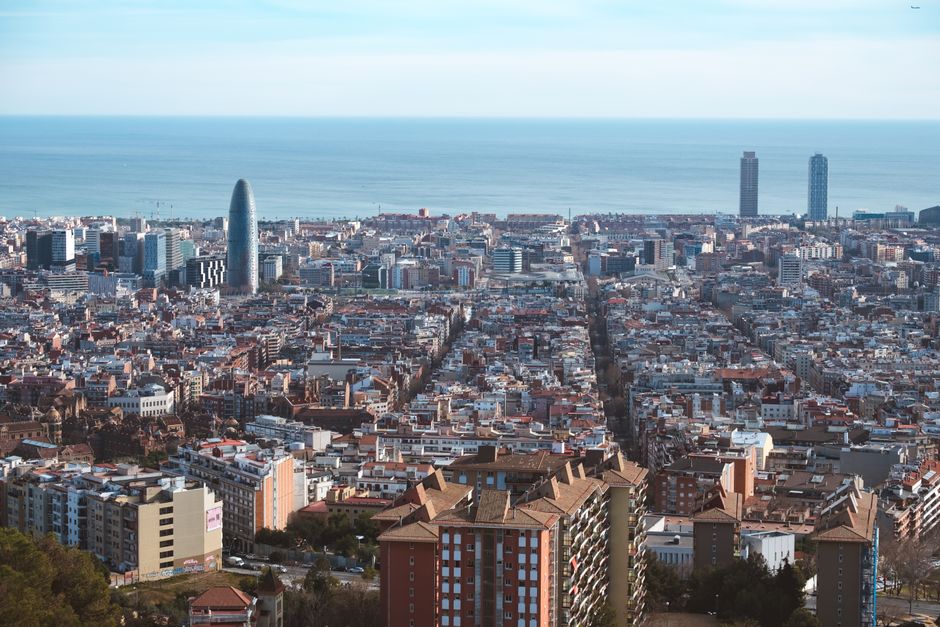
Go to Barceloneta for this. Look for a place that’s been running for at least a generation, where Sunday lunch fills up with local families and the menu fits on one handwritten page. Any restaurant with laminated menus showing photographs of every dish is almost certainly not the place you want.
Jamón Ibérico
Jamón ibérico de bellota is the top of the cured meat world, full stop. These are free-range Iberian pigs that spend their final months wandering oak forests eating acorns — the bellota — and the fat they develop is unlike anything else. It’s marbled through the meat in thin white lines, and at room temperature it melts into something nutty and faintly floral and honestly hard to describe to someone who hasn’t tried it. You just have to eat it.
In Barcelona you’ll find jamón ibérico everywhere from supermarkets to dedicated charcuterie bars. The price range is enormous, and so is the quality gap. Machine-cut and hand-cut jamón are genuinely different experiences. A skilled cortador working the leg by hand carves each slice at the right angle and thickness to get the most flavor out of the fat distribution. Watching them work is its own kind of theater. Find a proper bodega or charcutería, order it hand-cut, and eat it at room temperature on a wooden board with some bread. Don’t let anyone refrigerate it first.
Crema Catalana
The French will insist crème brûlée came first. The Catalans will insist the opposite with equal conviction. I’m not getting in the middle of that argument, but I will say crema catalana tastes different from crème brûlée and it’s worth trying on its own terms rather than as a comparison.
The key difference is milk instead of cream, which gives it a lighter, more delicate texture. It’s cooked with lemon zest and cinnamon, so there’s a warmth and brightness running through it that you don’t get from the French version. The sugar crust on top — applied to the cold custard and torched until it shatters — is the same satisfying ritual. But the flavor underneath is distinctly its own thing.
Book a Food Tour in Barcelona
Join a small-group food tour and taste the best of Barcelona with a local guide. Skip the tourist traps — discover the hidden spots only locals know.

Book a Food Experience in Barcelona
Handpicked experiences — book with free cancellation and instant confirmation.
Explore More Food Tours
More food guides from Spain:
- Granada Food Tour Guide
- Valencia Food Tour Guide
- Barcelona Vegan Food Guide: Best Plant-Based Experiences 2026
- Palma Food Tour Guide
You might also enjoy:
- Amalfi Food Tour Guide (Italy)
- Strasbourg Food Tour Guide (France)
Featured in:
Frequently Asked Questions
How much does a food tour in Barcelona cost?
Food tours in Barcelona typically range from €25 to €80 per person for a guided group tour. Private tours and premium culinary experiences can cost more, while self-guided food walks are often free or low-cost.
How long do food tours in Barcelona last?
Most guided food tours in Barcelona last between 2 and 4 hours and include multiple tasting stops. Walking food tours tend to run around 3 hours, while sit-down dining experiences may last longer.
What local dishes should I try on a Barcelona food tour?
A food tour in Barcelona is the best way to discover authentic local specialties. Your guide will take you to street food markets, traditional restaurants, and neighbourhood gems that locals love — dishes you would never find on your own.
What is the best area for street food in Barcelona?
The best areas for street food and local cuisine in Barcelona are usually found in the old town, central food markets, and traditional neighbourhoods away from the main tourist hotspots. A local food guide will show you exactly where to go.
Are food tours in Barcelona suitable for people with dietary restrictions?
Most food tour operators in Barcelona can accommodate vegetarian, vegan, halal, and gluten-free diets with advance notice. Always inform your guide of any dietary requirements when booking so they can plan the best route for you.