Bilbao Food Tour – Best Local Food & Restaurants
Bilbao, Spain: The Ultimate Food Guide
A Culinary Capital You Need to Know
Bilbao doesn’t get the same attention as San Sebastián, and honestly, that’s part of what makes it so good. Tucked into the Basque Country in northern Spain, it’s transformed quietly into one of Europe’s most serious food cities — without the Instagram crowds or the inflated prices that come with fame. But Bilbao delivers the same obsessive commitment to quality with far more breathing room. The food here reflects centuries of Basque tradition, a deep maritime heritage, and a modern cooking scene that pulls from both the Atlantic coast and the nearby Pyrenees. It’s not performative. It’s just how people eat.
What keeps me coming back is the attitude. The Basques treat food as a social contract — mealtimes are non-negotiable, sacred almost. You feel this everywhere: in the way a grandmother at Mercado de la Ribera rejects three perfectly good tomatoes before finding the right one, in the way a bartender in Casco Viejo arranges pintxos like he’s presenting at a gallery. The city is compact and walkable, which means you can drift between neighborhoods, markets, and bars without planning much. That’s the whole point, really.
The Heart of Basque Cuisine: Must-Try Dishes
If you eat one thing in Bilbao, make it bacalao a la Vizcaína. Salt cod in a deep red pepper sauce — it sounds simple but it carries centuries of history. This is the unofficial dish of Biscay province, and it’s on almost every traditional menu for good reason. Don’t come expecting delicate flavors. This is bold, rich, unapologetic food. Then there’s txuleta: a massive T-bone, grilled over charcoal, seasoned with nothing but salt and a little olive oil. That’s it. The restraint is the point — the beef quality is extraordinary, often sourced from local farms, and it speaks for itself.

Marmitako is something you’ll want on a grey afternoon, which in Bilbao is not uncommon. It’s a fisherman’s stew — tuna, potatoes, peppers, onions — and it tastes exactly like something cooked on a boat off the Basque coast in 1950. For the more adventurous, percebes (goose barnacles) are worth trying at least once. They look prehistoric and taste intensely of the sea. Kokotxas — hake cheeks — are another local obsession, usually cooked in a pil-pil sauce that requires serious technique to pull off. And save room for a txuleta de chocolate for dessert: a thick slab of dark chocolate served with sea salt. The name is a joke and a statement of philosophy at the same time.
Pintxo Culture: The Art of Basque Bar Bites
Pintxos are not tapas. I want to be clear about that. These are intricate, constructed little bites — sometimes genuinely architectural — balancing multiple ingredients on a piece of bread or a toothpick. The Casco Viejo neighborhood is where you want to start. It’s the Old Town, a maze of narrow medieval streets where bars open onto each other and the whole district smells like wine and warm bread by early evening. Streets like Callejón Barenkale are lined with options. Bars like Gatz and La Viña are reliable starting points, but honestly, wander and trust your instincts.
The drill is simple: walk in, order a txakoli (the local poured-from-height sparkling white wine) or a sidra, point at what looks good, eat standing up. Most pintxos run between €2 and €4 each, which means you can eat like a king for €20. You might hit croquetas stuffed with jamón ibérico, scallops with lemon foam, seared foie gras on toast, marinated mushrooms on crispy bread — the combinations shift bar to bar, chef to chef. Stay for one drink at each place and move on. That’s how locals do it. Sitting down and ordering a full round at one bar misses the point entirely.
Markets and Local Shopping: Where Bilbaínos Buy Food
Mercado de la Ribera is the one you’ll read about everywhere, and it earns the attention. Right on the riverside in the Old Town, this beautifully restored 1870s building holds over 100 vendors. Fresh fish laid out in perfect rows, Idiazabal cheese in thick wedges, local peppers, prepared foods, cured meats. Go in the morning when the fish counter is fully stocked and the place is actually alive. This is where you understand what Bilbao cooks with. Don’t just photograph it — buy something, talk to the vendors if you can manage any Spanish, eat a small something at the prepared food stalls.

The covered markets in the Indautxu neighborhood get overlooked, but they are worth the short walk west. The produce quality is exceptional, and they are significantly less touristy. For cured meats and specialty food shopping, the delis and txuleterías scattered through neighborhoods like Deusto and Abando are excellent. You’ll find jamón ibérico, Idiazabal cheese, and Gernika peppers — all good for eating on a bench that afternoon or packing home as gifts. Idiazabal, in particular, is underrated outside the Basque region and travels well.
Best Restaurants: Fine Dining and Local Favorites
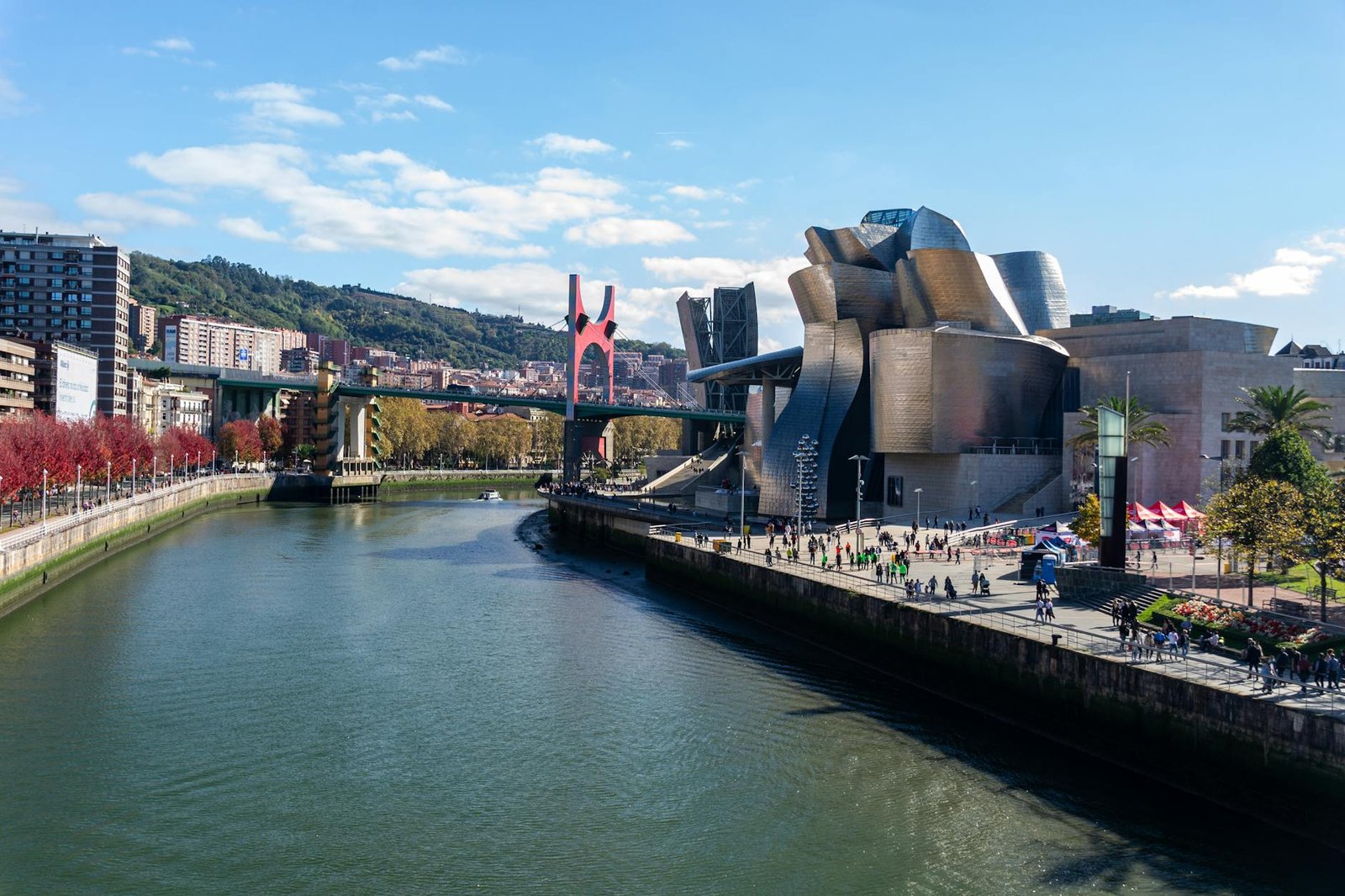
Bilbao has fewer Michelin stars than San Sebastián, but that gap is narrowing and the city’s restaurant scene is genuinely strong. Restaurante Aura delivers innovative Basque cooking that doesn’t feel like it’s trying too hard — the tasting menu works through seasonal ingredients with real technique. Etxanobe has views of the Guggenheim Museum and refined cooking to match; it’s one of those places where the setting and the food actually deserve each other, which is rarer than it should be. For traditional Basque food without blowing your budget, Víctor Montes in the Old Town is the honest answer — generous marmitako, solid bacalao, a crowded, convivial room where tourists and locals genuinely mix.
Clandestino does contemporary Basque in an intimate tasting menu format with good wine pairings. Restaurante Aura is where I’d send someone who wants quality food at fair prices — simple preparations of local fish and meat, nothing showy, everything right. The Indautxu neighborhood is full of family-run spots serving daily menus featuring whatever’s seasonal, often for €12–15 for three courses including wine. That kind of value barely exists in most European cities anymore. One practical note: many traditional restaurants close on Sundays and Mondays, so plan your big dinners for midweek or Saturday.
Top Street Food: Quick Bites and Mobile Eats
Croquetas are everywhere and you should eat them constantly. Jamón, mushroom, seafood — all versions. They’re sold at bar counters, café stands, market stalls, basically anywhere. In autumn and winter, roasted chestnuts appear on street corners and they’re genuinely good, not just a novelty. The morning coffee ritual is worth respecting too — a café con leche with a fresh churro or croissant at any neighborhood coffee bar costs almost nothing and sets up the day properly.
Technically, pintxos grabbed off a bar counter count as street food. You can eat two at one bar, walk a block, eat three at the next, and so on through an entire neighborhood. Near the Guggenheim and in the main plazas, vendors sell bocadillos — proper sandwiches with chorizo, jamón ibérico, or local cheese. During Las Fiestas de Bilbao in August, the whole city erupts with street stalls: grilled peppers, chorizo cooked in cider, open fires everywhere. The university area around Deusto is worth knowing about — student bars and informal eateries where the food is cheap and completely genuine, not priced for tourism.

Best Food Tours: Guided Experiences
If you’re only in Bilbao for a couple of days and want to cover ground efficiently, a guided food tour makes real sense. Viator offers Bilbao food tours ranging from 3–4 hour pintxo walks through the Old Town to full-day experiences combining market visits with restaurant tastings. You’ll typically get multiple pintxos, wine or cider pairings, and a guide who can explain the history and culture behind what you’re eating — which genuinely adds something. GetYourGuide has similar options plus more specialized experiences: cooking classes, dedicated market tours, or Michelin-focused dinners for people who want to treat this as a serious culinary trip.
Booking through these platforms often gets you reserved tables at spots that fill up quickly, which in Bilbao is more of an issue than first-time visitors expect. Some operators run blogger-led tours with a more personal take on the evolving food scene — useful if you want contemporary recommendations rather than the classic circuit. Cooking classes that start with a market visit and end with you making pintxos or marmitako under a professional chef’s eye are particularly worthwhile if you want to bring Basque cooking home. Worth the few hours and the cost.
When to Visit for Food: Seasonal Highlights
September and October are the best months, full stop. Mushroom season kicks in and wild fungi appear on menus everywhere — txantxarroiak (chanterelles), perretxikos (St. George’s mushrooms), all sorts. The produce is at its peak, game comes into season, and the city has energy without being overwhelmed by summer tourists. August brings Las Fiestas de Bilbao — outdoor food festivals, special dishes, the whole city in a good mood. It’s worth experiencing, though note that many locals take their own vacations then, so some smaller bars and family restaurants run reduced hours.
Spring is underrated. Asparagus and artichokes flood the markets from April onward, and the city feels lighter after winter. Winter itself — November through February — is grey, often rainy, and genuinely wonderful for eating. Fewer tourists, cozier txoko dining club atmosphere, hearty stews, the kind of red wines that make sense in cold weather. Marmitako in a warm bar while rain hits the windows outside is about as good as it gets. The honest answer is that any season works for a Bilbao food tour — this city rewards curious eaters year-round, but if you can choose, aim for harvest season in October or the week before Las Fiestas in late July before the August rush hits.
Book a Food Experience in Bilbao
Handpicked experiences — book with free cancellation and instant confirmation.
Explore More Food Tours
More food guides from Spain:
- Granada Food Tour Guide
- Valencia Food Tour Guide
- Barcelona Vegan Food Guide: Best Plant-Based Experiences 2026
- Cordoba Food Tour Guide
You might also enjoy:
- Marseille Food Tour Guide (France)
- Nice Food Tour Guide (France)
Featured in:
Frequently Asked Questions
How much does a food tour in Bilbao cost?
Food tours in Bilbao typically range from €25 to €80 per person for a guided group tour. Private tours and premium culinary experiences can cost more, while self-guided food walks are often free or low-cost.
How long do food tours in Bilbao last?
Most guided food tours in Bilbao last between 2 and 4 hours and include multiple tasting stops. Walking food tours tend to run around 3 hours, while sit-down dining experiences may last longer.
What local dishes should I try on a Bilbao food tour?
A food tour in Bilbao is the best way to discover authentic local specialties. Your guide will take you to street food markets, traditional restaurants, and neighbourhood gems that locals love — dishes you would never find on your own.
What is the best area for street food in Bilbao?
The best areas for street food and local cuisine in Bilbao are usually found in the old town, central food markets, and traditional neighbourhoods away from the main tourist hotspots. A local food guide will show you exactly where to go.
Are food tours in Bilbao suitable for people with dietary restrictions?
Most food tour operators in Bilbao can accommodate vegetarian, vegan, halal, and gluten-free diets with advance notice. Always inform your guide of any dietary requirements when booking so they can plan the best route for you.