Best Cities for a Fish Market Food Experience 2026
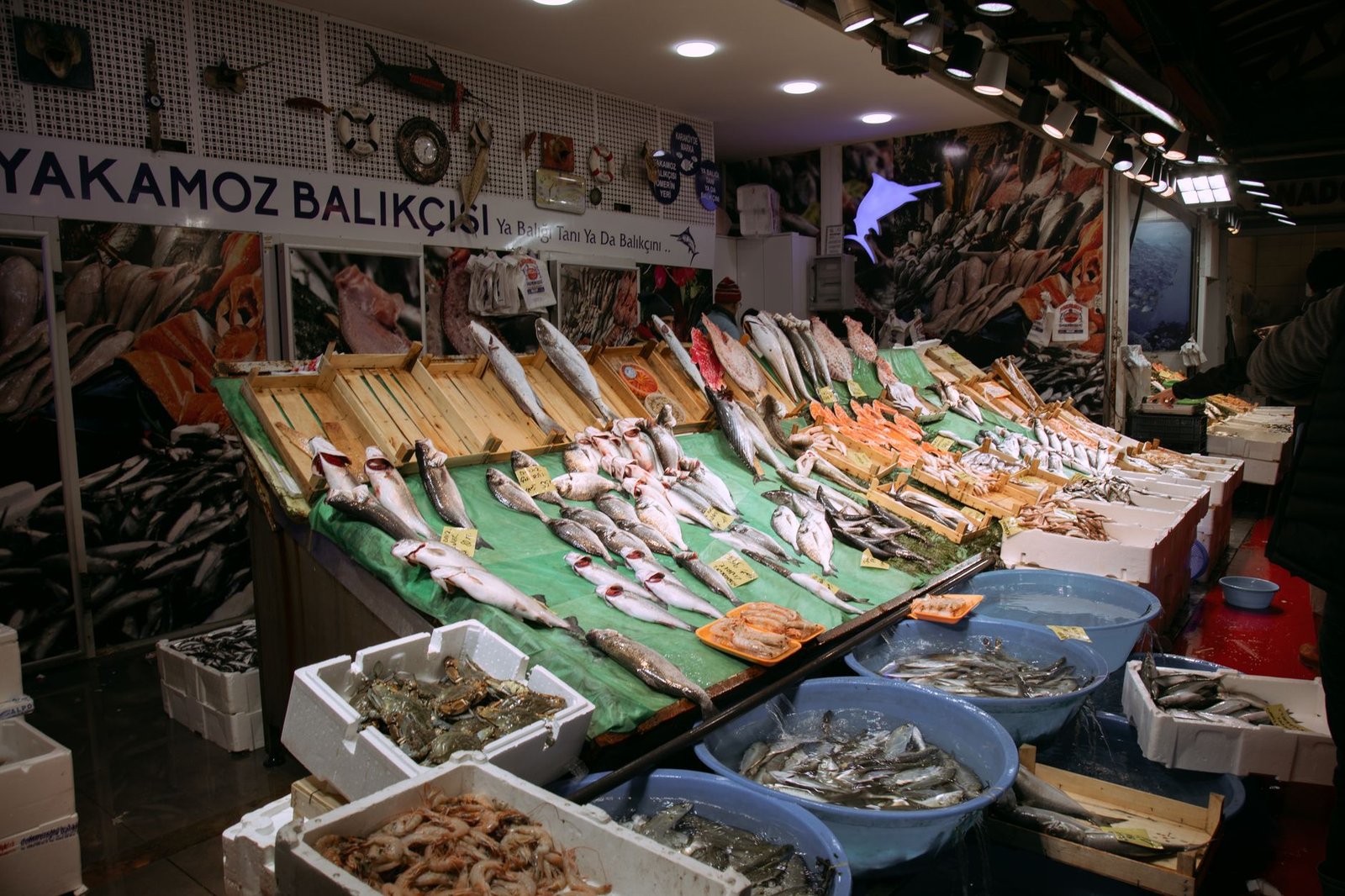
There is something about a great fish market that no restaurant can replicate. The smell of brine and ice, the theatre of vendors slamming tuna onto auction floors, the sight of creatures still blinking under fluorescent lights — it is raw, chaotic, and completely alive. For food travellers, fish markets rank among the most honest expressions of a city’s culinary identity. The following guide covers six of the world’s most compelling seafood markets in 2026, with practical detail on when to arrive, what to eat on the spot, what to take home, and how to move through each one without offending anyone holding a very large knife.
Tokyo Toyosu Market: Precision and Theatre in One Place
Since its relocation from Tsukiji in 2018, Toyosu has matured into one of the most efficiently run wholesale seafood complexes on the planet. The famous tuna auction — held in the pre-dawn hours, typically starting around 5:30 a.m. — draws a limited number of registered visitors who must book months in advance through the Tokyo Metropolitan Central Wholesale Market website. Missing the auction is not a catastrophe. The intermediate wholesale area and the outer market zone open to the public from around 5:00 a.m., and the energy is remarkable even from the viewing galleries.
For eating on the spot, the restaurant floor inside Building 6 is the destination. Expect to queue for sushi restaurants like Sushi Dai or Daiwa Sushi, where set menus featuring the morning’s catch typically run between ¥3,500 and ¥6,000 (roughly USD 23–40 at mid-2025 rates). Tamagoyaki, thick Japanese omelette sold from street-level stalls, is a beloved budget snack under ¥500. For those buying to cook, the outer market vendors sell vacuum-packed roe, dried fish, and premium katsuobushi that travel well. Spring brings exceptional sakura shrimp; autumn is peak season for Pacific saury and fatty maguro tuna heading into winter.
Etiquette at Toyosu
- Do not touch fish or equipment unless explicitly invited to do so.
- Stay within marked visitor corridors at all times during wholesale hours.
- Photography in auction viewing galleries is permitted; photographing individual vendor stalls requires a polite nod and brief eye contact first.
- Arrive before 7:00 a.m. on weekdays for the most active atmosphere; avoid Sundays and Wednesdays when much of the market is closed.
Busan Jagalchi Market: South Korea’s Seafood Soul
Jagalchi is the largest seafood market in South Korea and one of the most vivid market experiences in all of Asia. The covered seven-storey building anchors a stretch of open-air stalls along Busan’s waterfront where haenyeo — female free divers — have sold their catch directly to customers for generations. Arrive between 6:00 a.m. and 9:00 a.m. for the widest selection and the liveliest trading atmosphere. By midday, the best live specimens are often gone.
The eat-on-the-spot proposition here is exceptional value. Ground floor and outdoor vendors will prepare raw sliced fish (hoe) to order, served with ssamjang, perilla leaves, and soju, typically for 30,000–60,000 KRW (USD 22–45) for a spread that easily feeds two. Abalone porridge (jeonbokjuk) sold from small stalls near the building entrance is a warming alternative for those who prefer cooked food in the morning. October through February is prime season for snow crab (daege) and oysters from the nearby Tongyeong farms — this is the window to visit if schedules allow.
Etiquette at Jagalchi
- Bargaining on price is less common than many visitors expect; a respectful tone goes further than aggressive haggling.
- If you sit at a vendor’s table to eat, you are expected to order from that vendor only.
- Bring cash; many stalls do not accept international cards.
Bergen Fisketorget and Sydney Fish Market: Two Very Different Coastal Classics
Bergen’s Fisketorget (Fish Market) sits at the edge of the Vågen harbour, framed by the Bryggen wharf’s coloured wooden facades. It is compact, photogenic, and tourist-friendly without being touristy in a hollow sense. Open year-round but most animated from May through September, the market offers grilled Atlantic salmon, shrimp by the bag (reker), and smoked whale for around 150–300 NOK (USD 14–28) per portion. Bergen sits at the gateway to Norway’s fjord-fishing culture, and the vendors are genuinely knowledgeable about provenance. A guided food walk through Bryggen that includes market stops is widely available through GetYourGuide, and these tours add useful cultural context about Norway’s fishing heritage that a solo wander might miss.
Sydney Fish Market in Pyrmont is the antipodean counterpart: larger, louder, and anchored in a working harbour precinct. It is the largest market of its kind in the Southern Hemisphere and processes around 100 different species daily. Opening at 7:00 a.m. on weekdays and 7:00 a.m. on weekends, the retail hall allows visitors to buy raw seafood and have it cooked on-site by adjacent takeaway outlets. Sydney rock oysters, Balmain bugs (a flat lobster-like crustacean), and green-lip mussels are local highlights. Summer (December through February) brings excellent southern bluefin tuna and Queensland prawns; the Christmas Eve midnight opening is a long-standing Sydney tradition drawing thousands. Viator lists several Sydney seafood tours departing from the market precinct that combine the market visit with a harbour cruise.
Catania La Pescheria and Athens Varvakeios: Mediterranean Markets with Deep Roots
Catania’s La Pescheria operates Monday through Saturday from roughly 7:00 a.m. to 1:00 p.m. in the Piazza Pescheria, just behind the baroque cathedral. This is one of Sicily’s most atmospheric market experiences: vendors shout prices in a Sicilian dialect, swordfish heads the size of a toddler’s torso are propped against ice blocks, and sea urchins (ricci di mare) are cracked open and eaten directly from the shell for around €3–5 each. The market is unapologetically chaotic and completely wonderful. Late autumn through spring is the season for ricci and for the prized red shrimp (gamberi rossi) from nearby Mazara del Vallo. Swordfish and bluefin tuna peak in summer. Several Catania-based food tour operators on Viator offer morning market visits that include a guided walk and a cooking class using market purchases — a particularly satisfying combination.
Athens Varvakeios Central Market, specifically its dedicated seafood aisle, is less famous than La Pescheria but arguably more authentic as a working neighbourhood market. Located on Athinas Street near Monastiraki, the seafood section operates Monday through Saturday from around 7:00 a.m. to 3:00 p.m. Here you will find cuttlefish, fresh anchovies, sea bream, and whole octopus hanging to dry on lines — the same visual tableau that has defined Greek fishing culture for centuries. This is primarily a buy-and-cook market rather than an eat-on-the-spot destination, though a handful of small tavernas on adjacent streets specialize in market-fresh preparations. Spring brings sea urchin roe; summer is excellent for grilled sardines; winter sees beautiful whole sea bass and scorpionfish (skorpios), prized for Greek kakavia stew.
Etiquette at Mediterranean Markets
- At La Pescheria, making eye contact before approaching a stall signals genuine interest and tends to produce better prices and better service.
- At Varvakeios, pointing and using basic Greek words (parakalo for please, efharisto for thank you) earns genuine warmth from vendors.
- Neither market welcomes customers who photograph extensively without buying anything; a purchase, even a small one, changes the dynamic entirely.
- Arrive within the first hour of opening at both markets for the broadest selection and the freshest stock.
Seasonal Planning and Practical Packing Tips
Matching your visit to the right season transforms a good fish market experience into a great one. As a general guide: winter visits to Asian markets (Toyosu, Jagalchi) are rewarded with peak fatty tuna and crab. Mediterranean markets are most vibrant from October through May before summer heat creates logistical challenges for outdoor vendors. Norwegian markets peak in summer when daylight is abundant and visitor infrastructure is fully operational. Sydney’s market runs strong year-round but is particularly special in the Southern Hemisphere summer months.
For those planning to cook from their market haul, a few practical items make the experience far smoother. A collapsible insulated bag or a basic cooler insert keeps shellfish and raw fish viable for several hours in transit. A small sharp knife purchased locally (or packed in checked luggage) turns a market visit into an actual meal. Many city apartments listed on short-term rental platforms now specifically advertise proximity to major markets, and a kitchen-equipped stay in Catania, Busan, or Bergen is one of the most satisfying ways to structure a food-focused trip.
Guided food tours through platforms like Viator and GetYourGuide exist for all six markets covered in this guide. These tours are particularly worthwhile at markets where language barriers are steeper (Toyosu, Jagalchi) or where understanding what you are looking at makes an enormous difference to the experience. A knowledgeable local guide who can explain the difference between five grades of tuna belly or identify the exact village an octopus came from adds layers that a solo visit simply cannot replicate.
Conclusion: Start at the Market, Understand the City
Fish markets are not sideshows to a food trip — they are the main event. Whether you are watching a 400-kilogram tuna slide across a Toyosu auction floor at dawn, cracking sea urchins with a Catanian fishmonger’s borrowed knife, or choosing oysters at Sydney’s harbour-side stalls, these places offer a quality of food experience that no tasting menu or restaurant reservation can compete with on honesty or immediacy. Plan around opening hours, arrive early, bring cash, buy something even if only a snack, and treat the vendors with the same respect you would show a great chef. Browse the full collection of city food guides at FoodTourTrails.com and use our curated tour links to find market experiences led by locals who have spent entire careers learning these markets inside out.
Frequently Asked Questions
Which city has the most authentic fish market food experience for first-time visitors in 2026?
Tsukiji Outer Market in Tokyo remains the gold standard for first-time visitors, offering fresh sushi, grilled scallops, and tamagoyaki at vendor stalls from as early as 5am. The market is walkable, English-friendly, and most vendors welcome curious tourists. Arrive before 8am on weekdays to avoid the heaviest crowds and get the freshest picks.
What is the best time of year to visit Bergen's fish market in Norway?
Late May through August is ideal for visiting Bergen's Fisketorget, when the outdoor market operates at full capacity with the widest variety of seafood including fresh shrimp, king crab, and local salmon. The long summer daylight hours also make evening visits possible, with some vendors open until 9pm. Shoulder season in September still offers good variety with noticeably thinner crowds.
Are fish markets in Southeast Asia safe to eat at for travelers with sensitive stomachs?
Markets like Danang's Han Market in Vietnam and Mahachai in Thailand are generally safe if you choose stalls that cook food to order at high heat and have visible customer turnover. Avoid pre-cooked dishes that have been sitting out, and opt for boiled or grilled options rather than raw preparations unless you have a well-adapted digestive system. Carrying oral rehydration salts as a precaution is always wise for budget-conscious street market eating.
How much budget should I set aside for a fish market food tour in Catania, Sicily?
Catania's La Pescheria is one of Europe's most dramatic and affordable fish markets, where €15–25 per person covers a generous spread of arancini, grilled swordfish, sea urchin on bread, and a glass of local wine. Many vendors allow informal tastings and will negotiate small portions for curious visitors. Going with a local guide or joining a food tour for around €40–60 adds context and helps you navigate the fast-paced Sicilian vendor culture.
Can I visit Sydney Fish Market without buying large quantities, or is it mainly for restaurant trade buyers?
Sydney Fish Market is completely accessible to individual travelers and operates a busy retail floor alongside its wholesale auction, making it easy to buy single portions of oysters, prawns, or sashimi-grade tuna directly from fishmongers. The precinct has picnic-style seating right on the waterfront where visitors eat their purchases, and most retailers will shuck oysters or prepare platters on the spot. The market recently completed a major redevelopment, so the 2026 experience features upgraded facilities and a broader selection of ready-to-eat cooked seafood options.
Book a Food Experience in Top Destinations
Handpicked experiences — book with free cancellation and instant confirmation.