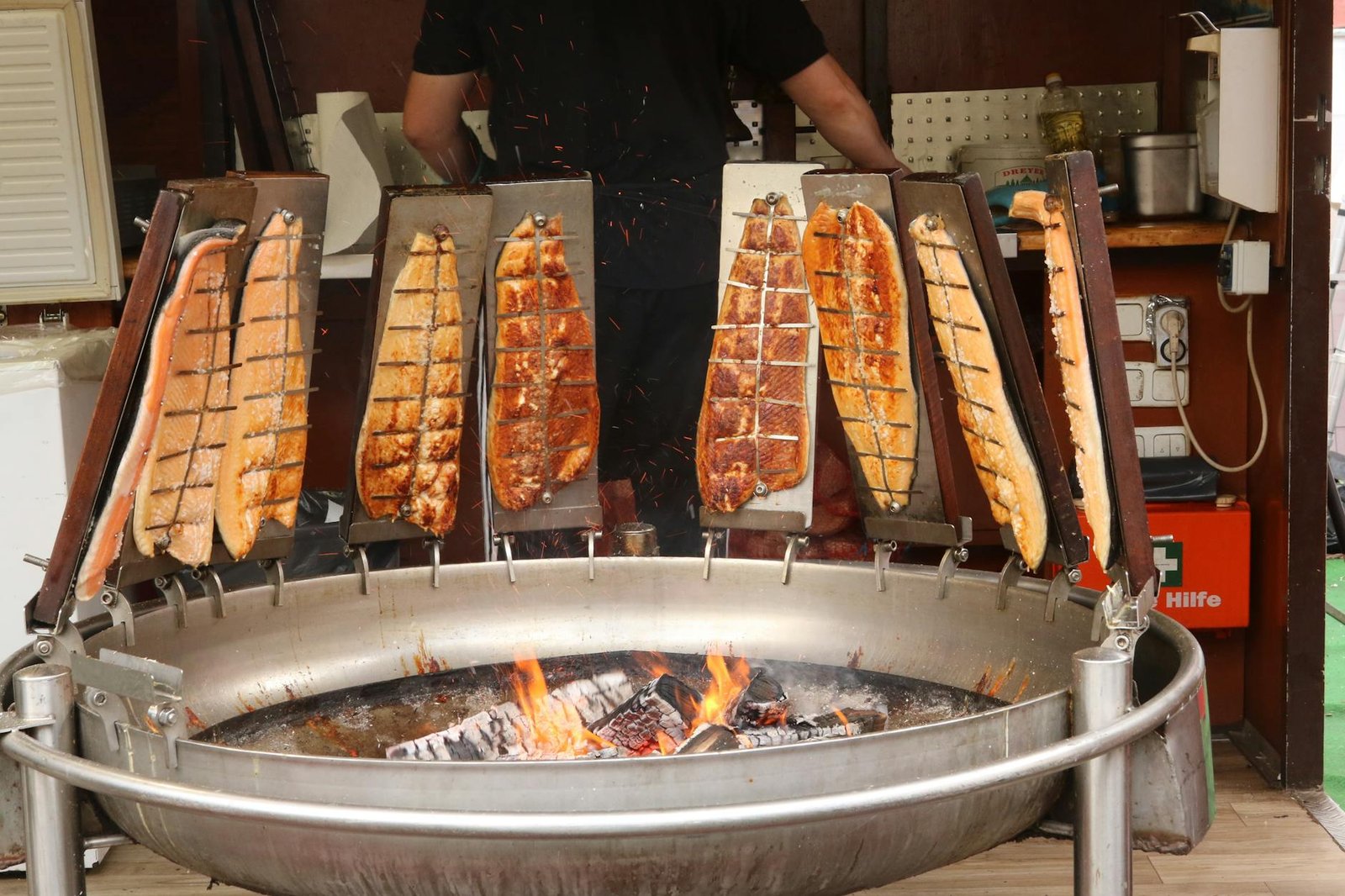
Munich Food Tour – Best Local Food & Restaurants
Munich Food Guide: A Culinary Journey Through Bavaria’s Capital
Munich is one of Europe’s most rewarding food destinations — a city where centuries-old brewing traditions collide with hearty Alpine cooking and a surprisingly sophisticated modern dining scene. Grab a frothy Mass of beer in a sun-drenched beer garden or pull up a stool for Weisswurst at 8am. Either way, Munich feeds you well. This guide will get you eating like a true Münchner from your very first meal.
The History of Munich’s Food Culture
Munich’s culinary identity can’t be separated from Bavaria’s agricultural roots, its Catholic religious calendar, and its legendary brewing heritage. The city sits at the crossroads of Germanic and Alpine traditions, pulling influence from neighboring Austria and the Bavarian countryside, while developing a distinctly urban food culture that’s been evolving for nearly 900 years.
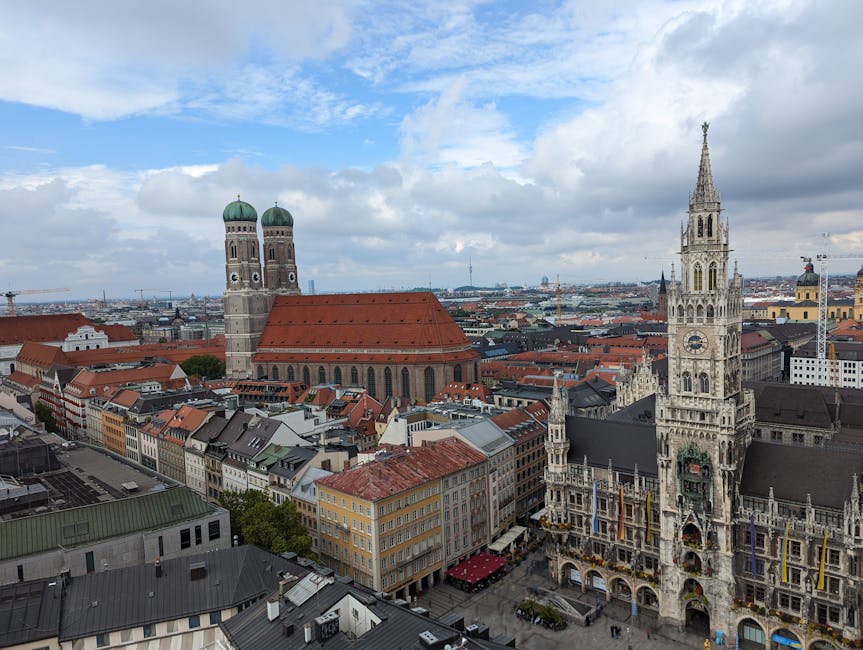
It starts in 1158, when Duke Henry the Lion founded Munich as a trading post on the Isar River. The city became a critical hub for the salt trade running between the Alps and northern Europe. Salt was the era’s most valuable preservative, and its abundance shaped early food practices here — particularly the curing of meats and fish. That salting tradition is still visible today at the Viktualienmarkt, where the charcuterie stalls are genuinely impressive.

The Reinheitsgebot — the German Beer Purity Law, issued in 1516 by Duke Wilhelm IV right here in Munich — changed the city’s relationship with food and drink permanently. The decree mandated that beer could only be brewed from water, barley, and hops. It gave Bavarian brewing an almost sacred status and turned Munich’s beer halls from simple taverns into social institutions. Food became beer’s essential companion, and the hearty, substantial dishes designed to be eaten alongside a liter of lager became the backbone of Bavarian cuisine.
The 19th century reshaped things dramatically. King Ludwig I commissioned the Viktualienmarkt in 1807, creating a permanent central food market that became the beating heart of the city’s culinary life. Around the same time, Munich’s great beer halls expanded into massive social complexes. The Hofbräuhaus — originally a royal brewery established in 1589 — opened its famous hall to the public in the 1800s and became a symbol of the city’s convivial food and drink culture. That symbol still stands, for better or worse.
Two World Wars brought food shortages and cultural upheaval in the 20th century. But Munich’s postwar recovery — driven partly by the city’s role as West Germany’s business capital — allowed the food scene to rebuild and eventually thrive. Oktoberfest, which began in 1810 as a royal wedding celebration, grew into the world’s largest folk festival, introducing Bavarian food traditions to millions of international visitors every year and creating a lasting global appetite for Munich’s culinary heritage.
Today, Munich balances genuine reverence for tradition with real enthusiasm for innovation. There is a lively street food scene and an increasingly diverse culinary landscape shaped by a multicultural population. But the old rhythms persist with remarkable stubbornness: Weisswurst is still eaten before noon, beer gardens still close at 11pm out of respect for the neighbors, and the Bavarian agricultural calendar still dictates what shows up on menus season by season.

Must-Try Foods in Munich
1. Weisswurst mit Süßem Senf und Breze
No dish defines Munich more completely than Weisswurst — the pale, delicate white sausage made from minced veal and pork back bacon, seasoned with parsley, lemon, mace, onions, ginger, and cardamom. It was created by accident in 1857 by butcher Sepp Moser at the Gasthaus zum Ewigen Licht near Marienplatz, became an overnight sensation, and hasn’t left the city’s culinary identity since.
The ritual matters as much as the sausage itself. Traditionally eaten before noon — because in the days before refrigeration, they’d spoil by midday — this custom persists even though modern cooling has made it irrelevant. Order them after noon and you’ll be clocked as a tourist immediately. The sausages arrive in a bowl of hot water, and the proper way to eat them is “zuzeln” — sucking the meat directly from the skin. Slitting the skin with a knife works too. Always with sweet Bavarian mustard and a fresh pretzel. The best versions I’ve had are at Cafe Frischhut, Wirtshaus in der Au, or from a market stall at the Viktualienmarkt on a cold weekend morning when steam is rising off everything.
2. Schweinshaxe
If Weisswurst owns breakfast, Schweinshaxe rules the evening table. This roasted pork knuckle — anywhere from 500 grams to a full kilogram — arrives with crackling skin so perfectly crisped it shatters like porcelain under a knife, giving way to slow-roasted meat that’s almost embarrassingly tender underneath. The knuckle is typically marinated in dark beer, caraway seeds, garlic, and salt before spending hours in a hot oven. The result is rich, savory, and deeply satisfying in a way that’s hard to find elsewhere.
A proper Schweinshaxe comes with Kartoffelknödel (potato dumplings) and either red cabbage or sauerkraut. It’s a masterclass in complementary flavors: fatty pork richness, earthy starchiness from the dumpling, bright acidity from the cabbage. Order a full Mass of dark Dunkel or Märzen alongside it. Haxnbauer im Scholastikahaus near Marienplatz has been serving this since 1368 — the kitchen knows what it’s doing. Augustinerkeller out in the Maxvorstadt district is another strong option, and generally less chaotic.
3. Obatzda
This intensely flavored Bavarian cheese spread is the ultimate beer garden food. Dead simple in concept, perfectly executed, unchanged for centuries. Obatzda is made by blending ripened Camembert or Brie with butter, cream cheese, caraway seeds, salt, paprika, and a generous pour of wheat beer or dark beer, then mashing everything to a rough, spreadable consistency. The result is pungent, creamy, a little funky, and completely addictive spread thick on a fresh pretzel with raw sliced onion and radishes on the side.
The name comes from the Bavarian verb “obatzn” — to mix or knead together — and historically it was a practical way to use up cheese that was past its prime. Smart. Today it appears on virtually every beer garden menu in Munich, and each place takes quiet pride in its particular recipe. The beer garden at the Viktualienmarkt does a very good version, and honestly it’s worth ordering it at several spots around the city. The variations in seasoning and texture are more interesting than you’d expect from such a simple dish.
4. Leberkäs
Despite the name — which translates literally as “liver cheese” — traditional Leberkäs contains neither liver nor cheese. It’s a fine-textured, loaf-shaped baked meat dish made from corned beef, pork, bacon, and onions, prepared similarly to a meatloaf but with a smoother, more uniform texture and a gloriously browned, crusty exterior. Hot from the oven, sliced thick, stuffed into a fresh white Semmel roll with sweet mustard — it’s one of the great street food sandwiches, full stop.
Leberkäs is Munich’s honest answer to fast food, sold by the slice throughout the day from butcher shops, bakeries, and market st
Book a Food Tour in Munich
Join a small-group food tour and taste the best of Munich with a local guide. Skip the tourist traps — discover the hidden spots only locals know.
Book a Food Experience in Munich
Handpicked experiences — book with free cancellation and instant confirmation.
Explore More Food Tours
More food guides from Germany:
You might also enjoy:
- Olomouc Food Tour Guide (Czech Republic)
- Prague Food Tour Guide (Czech Republic)
Featured in:
Frequently Asked Questions
How much does a food tour in Munich cost?
Food tours in Munich typically range from €25 to €80 per person for a guided group tour. Private tours and premium culinary experiences can cost more, while self-guided food walks are often free or low-cost.
How long do food tours in Munich last?
Most guided food tours in Munich last between 2 and 4 hours and include multiple tasting stops. Walking food tours tend to run around 3 hours, while sit-down dining experiences may last longer.
What local dishes should I try on a Munich food tour?
A food tour in Munich is the best way to discover authentic local specialties. Your guide will take you to street food markets, traditional restaurants, and neighbourhood gems that locals love — dishes you would never find on your own.
What is the best area for street food in Munich?
The best areas for street food and local cuisine in Munich are usually found in the old town, central food markets, and traditional neighbourhoods away from the main tourist hotspots. A local food guide will show you exactly where to go.
Are food tours in Munich suitable for people with dietary restrictions?
Most food tour operators in Munich can accommodate vegetarian, vegan, halal, and gluten-free diets with advance notice. Always inform your guide of any dietary requirements when booking so they can plan the best route for you.