Strasbourg Food Tour – Best Local Food & Restaurants
Strasbourg, France: The Ultimate Food Guide
Introduction: A Culinary Gateway Between France and Germany
Strasbourg doesn’t get nearly enough credit as a food destination. Most people know it as the seat of the European Parliament, or maybe from the Christmas market photos that flood social media every December. But spend a few days eating your way through the Grande Île and the Petite France neighborhood, and you’ll realize this city operates on its own culinary logic — one that owes as much to Germany as it does to France. Flammekuchen comes out of wood-fired ovens a stone’s throw from bistros serving coq au vin. Sauerkraut shows up on menus beside foie gras. It shouldn’t work, but it absolutely does.
The city sits right on the Franco-German border, and that geographic tension is the whole point. Alsatian cuisine isn’t a compromise between two cultures — it’s something genuinely its own. Locals are proud of it, protective of it, and they’ll absolutely notice if you call their bretzel a “German pretzel.” Come hungry, pace yourself, and leave the tight jeans at home.
The Heart of Alsatian Cuisine: Understanding Local Flavors
Alsatian cuisine is hearty in a way that French food often isn’t. Forget delicate portions and architectural plating — most traditional restaurants here bring out dishes that could anchor a long winter afternoon. Baeckaoffa is the best example: a slow-cooked stew of pork, beef, and potatoes layered with onions and white wine, sealed in a ceramic pot and left to braise for hours. It tastes like something a grandmother spent all day on, because originally, that’s exactly what it was.

Tarte flambée — or flammekuchen if you’re using the Alsatian name, which the locals prefer — is the dish you’ll eat most often and never get tired of. Thin crust, crème fraîche, caramelized onions, and lardons. Simple. Cheap. Genuinely good. Beyond those two anchors, look for fleischnacka (spiral pasta rolls filled with minced meat and onions), presskopf (a pork terrine served cold with vinaigrette), and wädele — a roasted pork knuckle that’s become the region’s unofficial comfort food. The city’s Jewish heritage also adds depth to the food scene, with schenkele fried pastries appearing in bakeries alongside things you wouldn’t expect to find this far east in France.
Must-Visit Markets: Where Locals Shop for Fresh Ingredients
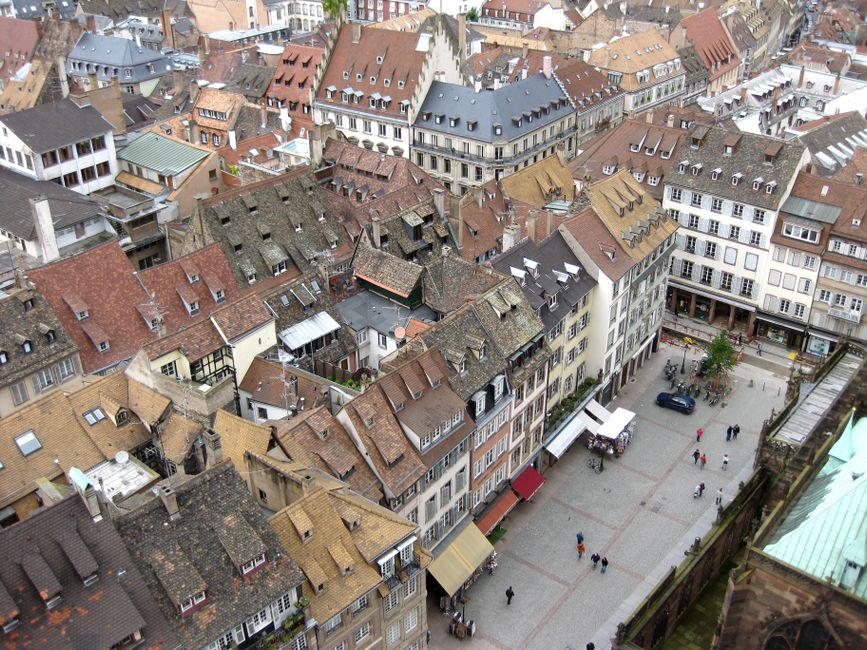
The Marché de la Cathédrale runs daily in the shadow of Strasbourg’s Gothic cathedral, and it’s worth getting there before 9am if you want first pick. The cathedral itself is an imposing backdrop, but inside the market the real action is at the cheese vendors and the charcuterie stalls. Fromage blanc sold by a woman who clearly makes it herself, aged Munster that smells exactly as aggressive as it should — this is where the city does its actual grocery shopping, not just its tourist browsing.
Over in the Petite France neighborhood, the Marché Bretzel is smaller and more artisanal. Fresh bretzels, local honey, handmade preserves. It’s quieter than the cathedral market and a better place to actually talk to producers. If your visit falls between late November and December 24th, the Christmas markets take over the entire city and the food scene shifts accordingly — roasted chestnuts, vin chaud, pain d’épice everywhere you look. It’s genuinely worth the crowds, though I’d recommend arriving on a weekday morning to avoid the worst of it.
The Petite France: A Picturesque Quarter for Food Exploration
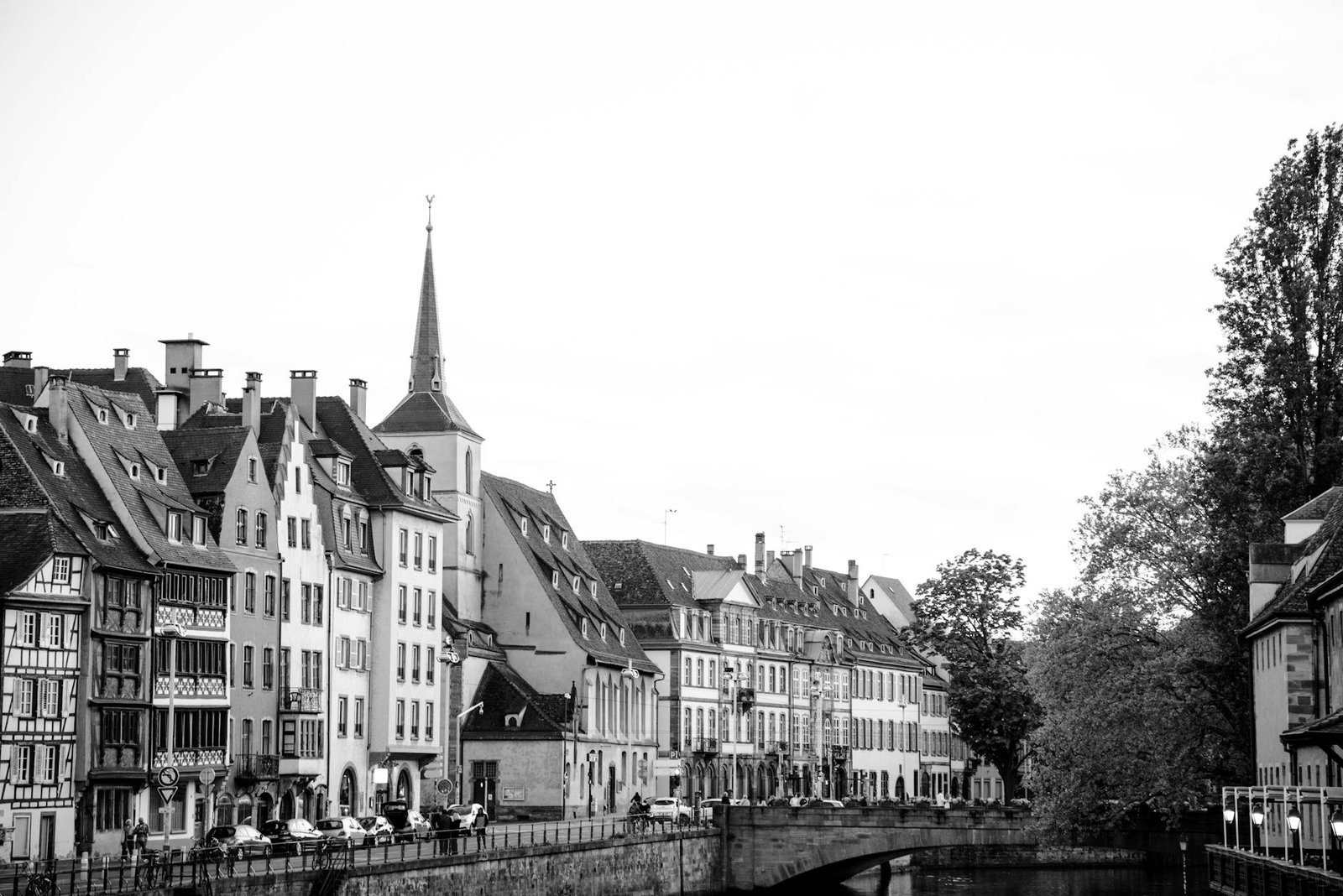
Petite France is the most photographed part of Strasbourg, and yes, it earns it. Half-timbered buildings reflected in the Ill River, narrow lanes, flower boxes on every window. It also happens to be where some of the best eating is. The restaurants here vary wildly in quality — some are genuinely excellent, some are coasting on the scenery — so it’s worth doing a bit of research before sitting down anywhere.
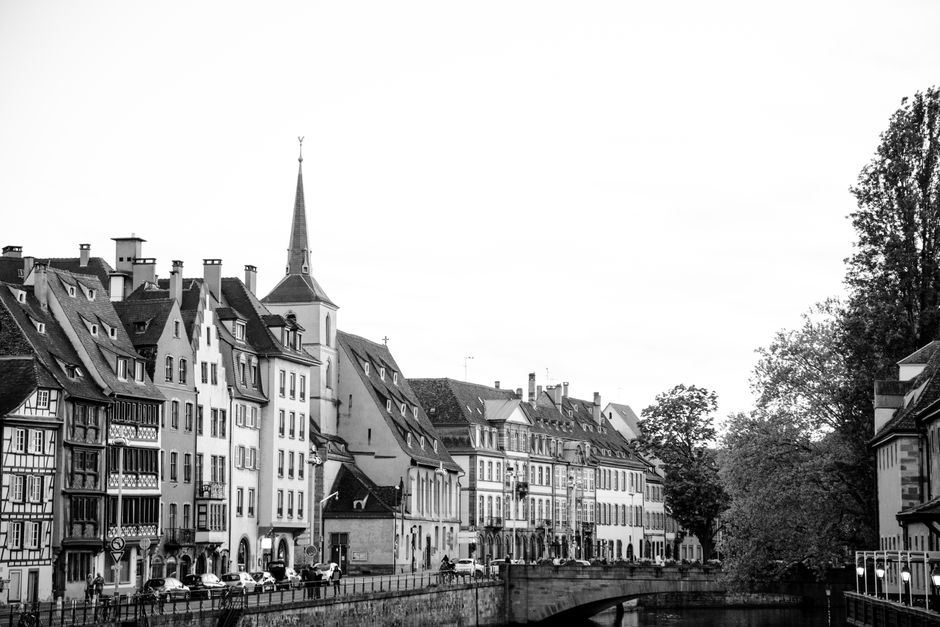
Au Pont Saint-Martin is a reliable stop for Alsatian wines by the glass paired with a charcuterie board. Order the riesling. Several other wine bars along the pedestrian streets offer plats du jour at lunch for around €12-15, which is how locals eat well without spending restaurant money. The cheese shops and small charcuteries scattered through the neighborhood are worth ducking into even if you’re not buying — most will let you taste before committing, and that’s how you end up walking out with a wedge of Munster wrapped in paper and no regrets.
Top Street Food and Quick Bites
The flammekuchen stands scattered around the city center are not a tourist gimmick — they’re fast, cheap (usually €5-7 for a full portion), and come out of actual wood-fired ovens. Watch them make it and you’ll understand why the thin crust matters so much. Soggy flammekuchen is a betrayal of the format.
Bretzels are everywhere and worth eating constantly. The Alsatian version is softer than its German cousin, often topped with coarse salt and sometimes sesame seeds, and they’re the perfect food for walking. Grab one from a street vendor near the cathedral for around €1.50 and keep moving. The pâtisseries deserve their own paragraph — kugelhopf, the traditional Alsatian coffee cake studded with raisins and almonds, is the thing to buy for breakfast instead of a croissant. You can get croissants anywhere. Kugelhopf is specific to here. In summer, look for ice cream shops doing mirabelle plum flavor — it’s a small yellow plum grown throughout the region and tastes like nothing else.
Best Restaurants for Traditional and Modern Alsatian Cuisine
Maison Kammerzell sits directly opposite the cathedral in a Renaissance building that dates to the 15th century. It’s a tourist magnet, yes, but the food holds up. The wood-beamed interior is the real thing, not a reconstruction, and the kitchen takes its classic dishes seriously. Go for lunch if you want slightly less chaos.
Chez Yvonne in Petite France is louder, more cramped, more fun. Communal tables, locals mixed in with visitors, wädele that arrives at the table still sizzling. This is the kind of place where you end up talking to the people next to you because you’re basically sharing elbow room. For something more refined, Au Crocodile holds a Michelin star and uses regional Alsatian ingredients as the foundation for genuinely accomplished cooking — it’s a splurge but a worthwhile one if that’s your thing. Restaurant L’Ami Schutz threads the needle between tradition and contemporary technique without losing sight of either. Budget diners should look for the prix-fixe lunch menus throughout the city center — €15-20 for two courses is realistic, and the quality-to-price ratio is hard to beat.
When to Visit for Food
December is peak season and everyone knows it. The Christmas markets run from late November through December 24th and the food component alone justifies the trip — vin chaud, roasted almonds, schenkeles, pain d’épice. The crowds are real, especially on weekends, and accommodation prices climb accordingly. Weekday visits in early December hit the sweet spot.
September is genuinely excellent and underrated. The grape harvest is underway across the Alsace wine route, restaurants feature seasonal menus, and the weather is cooperative without being oppressively hot. Spring — April and May — offers comfortable temperatures for market exploration and outdoor dining without the summer tourist surge. Summer is fine but busy. January and February are quiet, cold, and occasionally magical in their emptiness — some restaurants cut hours, but you get the city largely to yourself, which has its own value.
Best Food Tours
A guided food tour pays off in Strasbourg specifically because the context matters. Knowing why baeckaoffa was traditionally cooked at the communal baker’s oven, or understanding the Jewish history behind certain pastries — that knowledge changes how the food tastes. Viator offers solid Strasbourg food tours that typically run 3-4 hours and combine market visits with tastings and neighborhood walks. The guides are local and the access to family-run producers is often better than you’d manage on your own.
GetYourGuide covers similar ground and also offers more specialized experiences — Christmas market tours, Alsatian wine tastings, and hands-on cooking classes where you actually learn to make flammekuchen. Both platforms are worth comparing before booking. If language is a concern, these tours handle it; if you just want someone to cut through the noise and take you directly to the good stuff, a professional guide does that efficiently. The organized Strasbourg food tour format works particularly well here because the city’s culinary identity has layers that reward explanation.
Book a Food Experience in Top Destinations
Handpicked experiences — book with free cancellation and instant confirmation.
Explore More Food Tours
More food guides from France:
You might also enjoy:
- Florence Food Tour Guide (Italy)
- Bruges Food Tour Guide (Belgium)
Frequently Asked Questions
How much does a food tour in Strasbourg cost?
Food tours in Strasbourg typically range from €25 to €80 per person for a guided group tour. Private tours and premium culinary experiences can cost more, while self-guided food walks are often free or low-cost.
How long do food tours in Strasbourg last?
Most guided food tours in Strasbourg last between 2 and 4 hours and include multiple tasting stops. Walking food tours tend to run around 3 hours, while sit-down dining experiences may last longer.
What local dishes should I try on a Strasbourg food tour?
A food tour in Strasbourg is the best way to discover authentic local specialties. Your guide will take you to street food markets, traditional restaurants, and neighbourhood gems that locals love — dishes you would never find on your own.
What is the best area for street food in Strasbourg?
The best areas for street food and local cuisine in Strasbourg are usually found in the old town, central food markets, and traditional neighbourhoods away from the main tourist hotspots. A local food guide will show you exactly where to go.
Are food tours in Strasbourg suitable for people with dietary restrictions?
Most food tour operators in Strasbourg can accommodate vegetarian, vegan, halal, and gluten-free diets with advance notice. Always inform your guide of any dietary requirements when booking so they can plan the best route for you.