Best Food Cities in the Middle East 2026
Few pleasures in life rival the thrill of eating your way through a new city — following the smell of spices down a narrow alleyway, pulling up a plastic stool beside a sizzling grill, or discovering that the best meal of your life costs less than a cup of coffee back home. The Middle East, with its ancient culinary traditions, staggering diversity of flavors, and legendary hospitality, is one of the most rewarding regions on earth for food travelers. Here are the best food cities in the Middle East to visit in 2026.
Istanbul, Turkey
Straddling two continents, Istanbul has spent millennia absorbing, refining, and reinventing culinary traditions from the Balkans, Central Asia, the Levant, and the Mediterranean. The result is one of the world’s most layered and thrilling food cultures. Start with the classics: a properly charred döner kebab shaved from a rotating spit, a paper cone of freshly fried midye tava (mussels) bought from a street vendor on the Bosphorus waterfront, or a steaming bowl of mercimek çorbası (red lentil soup) ladled out at dawn for fishermen returning from a night on the water. Istanbul’s meze culture alone — dozens of small plates of marinated vegetables, creamy hummus, smoky eggplant salads, and herb-stuffed pastries — could occupy a dedicated week of eating.
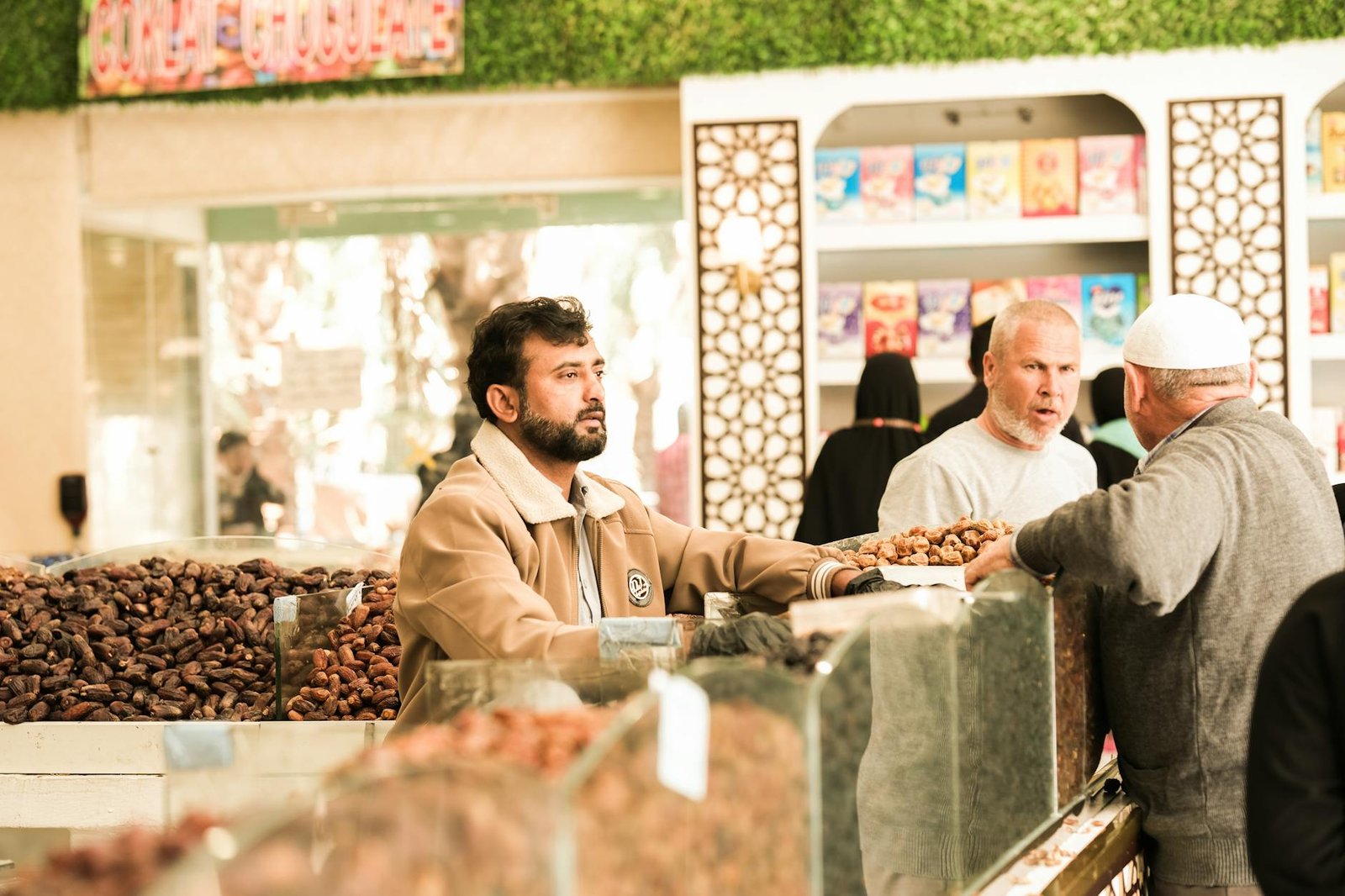
For the most immersive food experience, lose yourself in the Kapalıçarşı (Grand Bazaar) and its surrounding streets, where vendors sell everything from saffron to hand-rolled Turkish delight. The Mısır Çarşısı (Spice Bazaar) in Eminönü is equally intoxicating, its stalls piled high with dried fruits, nuts, and countless varieties of tea. Across the Golden Horn, the bohemian neighborhood of Karaköy has emerged as a hub for modern Turkish cuisine, where chefs are reimagining Anatolian ingredients with contemporary technique. Don’t miss a breakfast spread — the legendary Turkish kahvaltı, featuring olives, cheeses, honey, clotted cream, and warm simit — at one of the waterfront tea gardens in Ortaköy.
Istanbul rewards slow, curious exploration above all else, and there is always another hidden meyhane, a family-run börek shop, or a rooftop restaurant with a view of the minarets waiting to be discovered. Explore our full Istanbul food guide →
Dubai, United Arab Emirates
Dubai has transformed itself from a pearl-diving outpost into one of the most culinarily ambitious cities on the planet, and in 2026 it shows no signs of slowing down. The city’s extraordinary demographic mix — with residents from over 200 nationalities — means that alongside world-class Emirati cuisine, you can find extraordinary Yemeni mandi, Kerala-style seafood, Iranian kebab houses, and Filipino lechon, often within the same city block. Traditional Emirati dishes like harees (a slow-cooked wheat and meat porridge), machboos (spiced rice with lamb or fish), and luqaimat (crispy honey-drenched dumplings) are experiencing a genuine cultural renaissance, celebrated in restaurants that blend heritage recipes with elegant modern presentation.
Old Dubai — particularly the Deira neighborhood and its labyrinthine souks — offers some of the city’s most authentic and affordable eating. The Deira Fish Market is a spectacle unto itself at dawn, while the surrounding streets are lined with Yemeni bread bakers, Iranian spice merchants, and South Asian canteens serving magnificent biryanis for a few dirhams. Al Fahidi Historical Neighbourhood (Al Bastakiya) is another essential stop, where traditional wind-tower architecture frames small cafés serving karak chai and date-filled sweets. For a more contemporary experience, the restaurant clusters of Jumeirah and DIFC showcase the city’s celebrity chef culture and innovative Emirati-fusion concepts.
Whether you are grazing through street food stalls in Bur Dubai or sitting down to a seven-course tasting menu overlooking the Burj Khalifa, Dubai consistently delivers on culinary ambition. Explore our full Dubai food guide →
Tel Aviv, Israel
Tel Aviv eats with an energy and confidence that is entirely its own — a city where Ashkenazi Jewish grandmothers’ recipes collide with Yemeni spice traditions, Persian rice techniques, and the sun-drenched produce of the Mediterranean coast. The result is one of the most exciting food cultures in the world, and one that has earned serious international recognition in recent years. Shakshuka — eggs poached in a fiery tomato and pepper sauce — is practically a civic religion here, consumed at all hours. But look deeper and you will find sabich (fried eggplant and hard-boiled egg stuffed into warm pita), kubaneh (a slow-baked Yemeni Shabbat bread served with grated tomato), and knafeh (a cheese-filled semolina pastry soaked in sugar syrup) that will recalibrate your understanding of what bread, pastry, and breakfast can be.
The Carmel Market (Shuk HaCarmel) is the beating heart of Tel Aviv’s food scene — a sprawling, noisy, glorious stretch of stalls selling fresh-pressed pomegranate juice, mounds of za’atar and sumac, pickled everything, and freshly baked Jerusalem bagels studded with sesame seeds. Just to the south lies Levinsky Market, a smaller but equally compelling destination focused on spices, dried fruits, and Balkan-influenced delicacies. The Florentin neighborhood draws young chefs pushing boundaries, while Jaffa — the ancient port city that has been absorbed into greater Tel Aviv — offers some of the finest hummus, grilled fish, and Arab pastries in Israel.
Tel Aviv’s food scene is rooted in community, memory, and an infectious appetite for life that makes every meal feel like a celebration. Explore our full Tel Aviv food guide →
Beirut, Lebanon
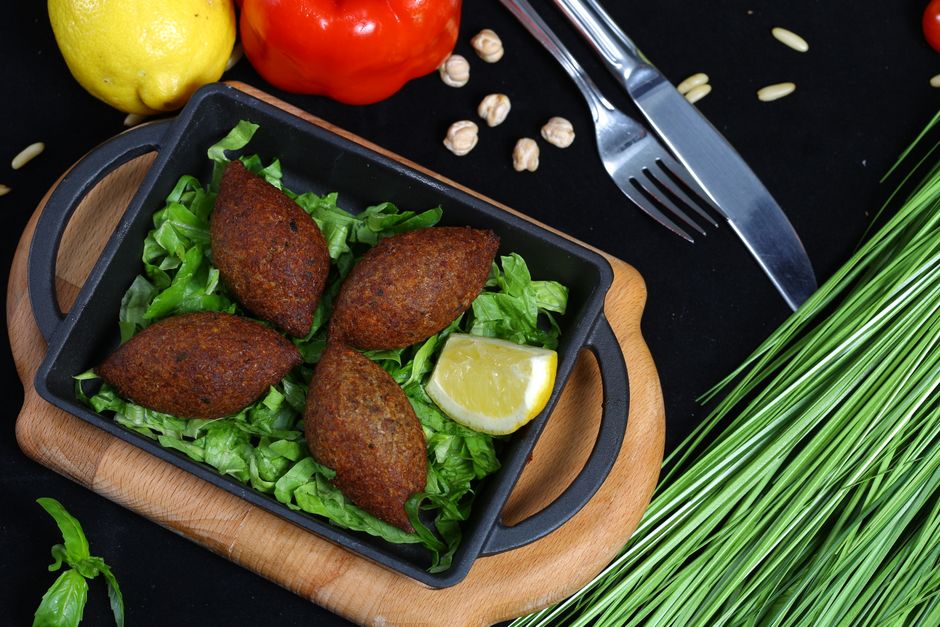
Lebanese cuisine is widely regarded as one of the greatest in the world, and Beirut — despite the profound challenges the city has faced in recent years — remains its most vibrant, resilient, and spectacular expression. The meze table here reaches its highest form: dozens of small dishes arriving in waves, from silky mutabal (smoky eggplant dip) and tangy labneh drizzled with olive oil to kibbeh nayyeh (raw spiced lamb), fattoush salad bright with sumac, and whole roasted cauliflower with tahini. Lebanese bread, baked fresh and served warm and pillowy, is the medium through which all of this deliciousness travels from plate to mouth.
The neighborhoods of Gemmayze and Mar Mikhael, lined with restored Ottoman-era buildings and buzzing bars and restaurants, form the social core of Beirut’s contemporary food culture. The Souk el Tayeb farmers’ market, held weekly in Saifi Village, brings together producers from across Lebanon — olive oil from the Chouf mountains, wild thyme from the Bekaa Valley, artisanal cheeses from Batroun — and is a deeply moving demonstration of the country’s agricultural richness. For street food, nothing beats a freshly made manakish (flatbread topped with za’atar, cheese, or minced meat) pulled hot from a wood-fired oven in a neighborhood bakery at breakfast time.

Eating in Beirut is an act of connection — to history, to land, and to a people whose generosity at the table remains undiminished. Explore our full Beirut food guide →
Cairo, Egypt
Cairo is one of the great street food capitals of the world, a city of twenty million people where the sidewalks function as a continuous open-air kitchen from before sunrise until well past midnight. Egyptian food is hearty, ancient, and deeply satisfying: ful medames (slow-cooked fava beans dressed with cumin and lemon) has been eaten here since the time of the pharaohs and remains the city’s most beloved breakfast. Koshary — a uniquely Egyptian carb-on-carb masterpiece of rice, lentils, macaroni, crispy onions, and spiced tomato sauce — is served at dedicated koshary shops across the city and costs almost nothing. Hawawshi (spiced minced meat baked inside crispy bread), falafel made exclusively from fava beans rather than chickpeas, and molokhia (a viscous herb stew served over rice) round out an endlessly fascinating culinary landscape.
Downtown Cairo and the areas surrounding Khan el-Khalili bazaar offer the most concentrated street food experience, with vendors grilling kebabs and kofta over charcoal, bakeries turning out sesame-coated bread at all hours, and juice shops blending fresh mango, guava, and sugarcane. The Coptic Cairo neighborhood adds another dimension, with its own distinct food traditions including Easter breads and semolina cakes. For a more upscale interpretation of Egyptian cuisine, the Zamalek district on Gezira Island houses restaurants that are thoughtfully reviving forgotten regional recipes from Upper Egypt, Alexandria, and the Siwa Oasis.
Cairo’s food scene is inseparable from the city’s overwhelming energy, warmth, and sense of humor — eating here is always an adventure. Explore our full Cairo food guide →
Jerusalem, Israel and Palestine
No city on earth carries the culinary weight of Jerusalem. Within its ancient walls, Jewish, Muslim, Christian, and Armenian food traditions have coexisted, competed, and cross-pollinated for centuries, producing a food culture of extraordinary depth and complexity. The Old City’s four quarters each tell a different story through their kitchens: Armenian stuffed pastries in one alley, Palestinian knafeh from a legendary Nablus-style sweets shop in another, Israeli-style shakshuka in a sun-filled courtyard restaurant nearby. Hummus in Jerusalem is a point of fierce civic pride, and the debate over whose version is superior is a conversation that has been running — passionately, endlessly — for generations.
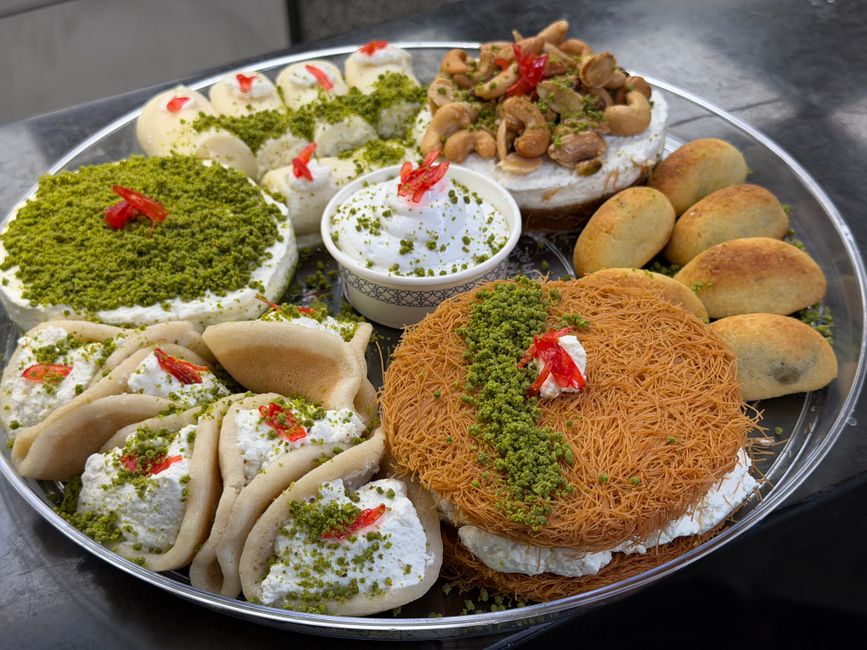
The Mahane Yehuda Market (the Shuk) in West Jerusalem is one of the most atmospheric food markets in the Middle East: a covered bazaar that transforms from a daytime produce market — overflowing with pomegranates, persimmons, fresh herbs, and halva in twenty flavors — into a buzzing nighttime restaurant and bar district. In East Jerusalem and the Muslim Quarter of the Old City, the food is equally compelling: freshly baked taboon bread, slow-roasted lamb mansaf, and sugar-dusted qatayef pancakes during Ramadan. The Via Dolorosa and surrounding streets offer an immersive, layered food walk that rewards unhurried exploration above all else.
Jerusalem offers a food experience unlike anywhere else — a place where every bite connects you to a history that stretches back thousands of years. Explore our full Jerusalem food guide →
Abu Dhabi, United Arab Emirates
While its flashier neighbor Dubai tends to dominate international headlines, Abu Dhabi has been quietly developing one of the most genuinely distinctive food cultures in the Gulf region. Emirati cuisine takes center stage here in a way that feels organic rather than performative: dishes like balaleet (sweet vermicelli with saffron-scented eggs), aseeda (a dense wheat porridge served with honey and ghee), and whole grilled hammour fish stuffed with spiced rice are not novelties for tourists but staples of everyday life. The city’s position as a major fishing hub means that seafood — grilled, fried, or cooked into fragrant rice dishes — is consistently outstanding and freshly sourced from the Arabian Gulf.
The waterfront Corniche area offers a pleasant backdrop for casual eating, with restaurants serving everything from traditional Emirati breakfasts to pan-Asian cuisine. But for the most authentic experience, head to the Iranian-influenced souks of the old city center, where spice merchants, dried lime sellers, and tea shops create an atmosphere unchanged for decades. The Friday Market at Madinat Zayed is a local institution where Emirati families shop for fresh produce, dates in bewildering variety, and homemade sweets. Al Mina market, near the port, is the city’s definitive destination for fresh fish and provides an unfiltered window into Abu Dhabi’s maritime soul.
Abu Dhabi rewards travelers who look beyond the gleaming cultural landmarks to discover a city with a deeply rooted and proudly preserved culinary identity. Explore our full Abu Dhabi food guide →
The Middle East is a region that has been feeding and delighting travelers for thousands of years, and in 2026 its food cities are more exciting, more diverse, and more accessible than ever before. Whether you are planning your first visit to Istanbul’s spice markets or returning to find a new neighborhood gem in Tel Aviv, there has never been a better time to let your appetite lead the way. Start planning your culinary journey today — your most memorable meal is waiting.
Book a Food Experience in Top Destinations
Handpicked experiences — book with free cancellation and instant confirmation.
Explore More Food Tours
Guides for the cities in this article:
- Abu Dhabi Food Tour Guide (UAE)
- Tel Aviv Food Tour Guide (Israel)
- Cairo Food Tour Guide (Egypt)
- Dubai Food Tour Guide (UAE)
- Istanbul Food Tour Guide (Turkey)
- Alexandria Food Tour Guide (Egypt)
Frequently Asked Questions
What's the best time to visit Middle Eastern food cities for street food and markets?
October to April offers the most pleasant weather and the most vibrant street food scenes, as locals and vendors are more active outdoors. Summer months (June-August) can be extremely hot, making it uncomfortable to explore food markets and eat from street stalls. Winter is also when many seasonal dishes and ingredients are at their peak.
Do I need to budget differently for fine dining versus street food in Middle Eastern cities?
Street food and casual eateries are incredibly affordable, often costing $2-5 per meal, while mid-range restaurants range from $10-25 per person. Fine dining establishments in major cities like Dubai, Beirut, and Istanbul can exceed $100+ per person, so budget accordingly based on your dining preferences. Many travelers find the best value in local family-run restaurants and food markets.
Are there vegetarian and vegan food options available in Middle Eastern food cities?
Yes, Middle Eastern cuisine naturally includes abundant vegetarian options like hummus, falafel, tabbouleh, and roasted vegetables, making it one of the most vegetarian-friendly cuisines. However, vegan options require more careful navigation as many dishes contain dairy or meat-based broths, so learning basic Arabic phrases to communicate dietary restrictions is helpful. Most restaurants in major food cities are increasingly accommodating vegan requests.
Which Middle Eastern city offers the best balance of traditional and modern food experiences?
Dubai and Beirut lead in blending contemporary dining with traditional cuisine, offering everything from Michelin-starred restaurants to heritage food tours in the same city. Istanbul also excels at this balance with innovative chefs reimagining Ottoman classics alongside centuries-old street food traditions. Amman is gaining recognition for its farm-to-table movement while maintaining authentic Levantine food culture.
Is it safe to eat street food and drink tap water in Middle Eastern food cities?
Street food is generally safe in major Middle Eastern cities if purchased from busy, popular vendors with high turnover, though your stomach may need adjustment time. Tap water is safe in developed cities like Dubai and Beirut, but it's recommended to drink bottled water in other areas and to avoid ice in drinks when unsure. Most travelers experience no issues when using common food safety practices like watching food being prepared.