
Granada Food Tour – Best Local Food & Restaurants
Granada, Spain: The Ultimate Food Guide
Why Granada is Spain’s Hidden Culinary Gem
Nestled at the foot of the Sierra Nevada mountains, Granada offers one of Spain’s most authentic and underrated food scenes. While Barcelona and Madrid grab headlines, Granada quietly delivers exceptional Andalusian cuisine that blends centuries of Moorish, Jewish, and Spanish influences. The city’s location between the Mediterranean coast and snowy peaks creates a unique terroir that influences everything from the seafood to the mountain produce that graces local plates.
What makes Granada’s food culture truly special is its philosophy of abundance and generosity. Locals enjoy a tradition called “tapas culture” that’s more genuine here than almost anywhere else in Spain—many bars still serve complimentary small plates with every drink you order. This custom, combined with incredibly affordable prices, makes Granada an ideal destination for food lovers who want quality without breaking the bank. The city’s significant Muslim population also contributes to a vibrant North African culinary influence that you won’t find in most Spanish cities.
The Iconic Tapas Scene: Understanding Granada’s Greatest Tradition
Granada’s tapas culture is legendary, and walking through the Albaicín or Plaza Nueva at evening time reveals why. The tradition of receiving free tapas with drinks here is more alive than anywhere else in Andalusia, with bars serving everything from jamón ibérico to gambas al ajillo to locally-made croquetas. This isn’t a tourist gimmick—it’s genuine local tradition that Granada takes seriously. Bars like Los Diamantes near the cathedral and El Rinconcillo in the Albaicín epitomize this culture, where a €2 drink comes with a generous plate of fresh food.
The beauty of Granada’s tapas scene is its accessibility and diversity. You can enjoy exceptional seafood tapas in working-class bars frequented by locals, where a €1.50 vermouth comes with jamón-wrapped dates or fresh anchovies. The key is to navigate beyond the touristy Plaza Nueva and venture into neighborhoods like Realejo or the winding streets of Albaicín, where you’ll find authentic spots where Spanish students and office workers gather. Many bars specialize in different offerings—some focus on seafood, others on montaditos (small open-faced sandwiches), and some pride themselves on croquetas made from family recipes.
Market Shopping: Mercado de San Agustín and Beyond
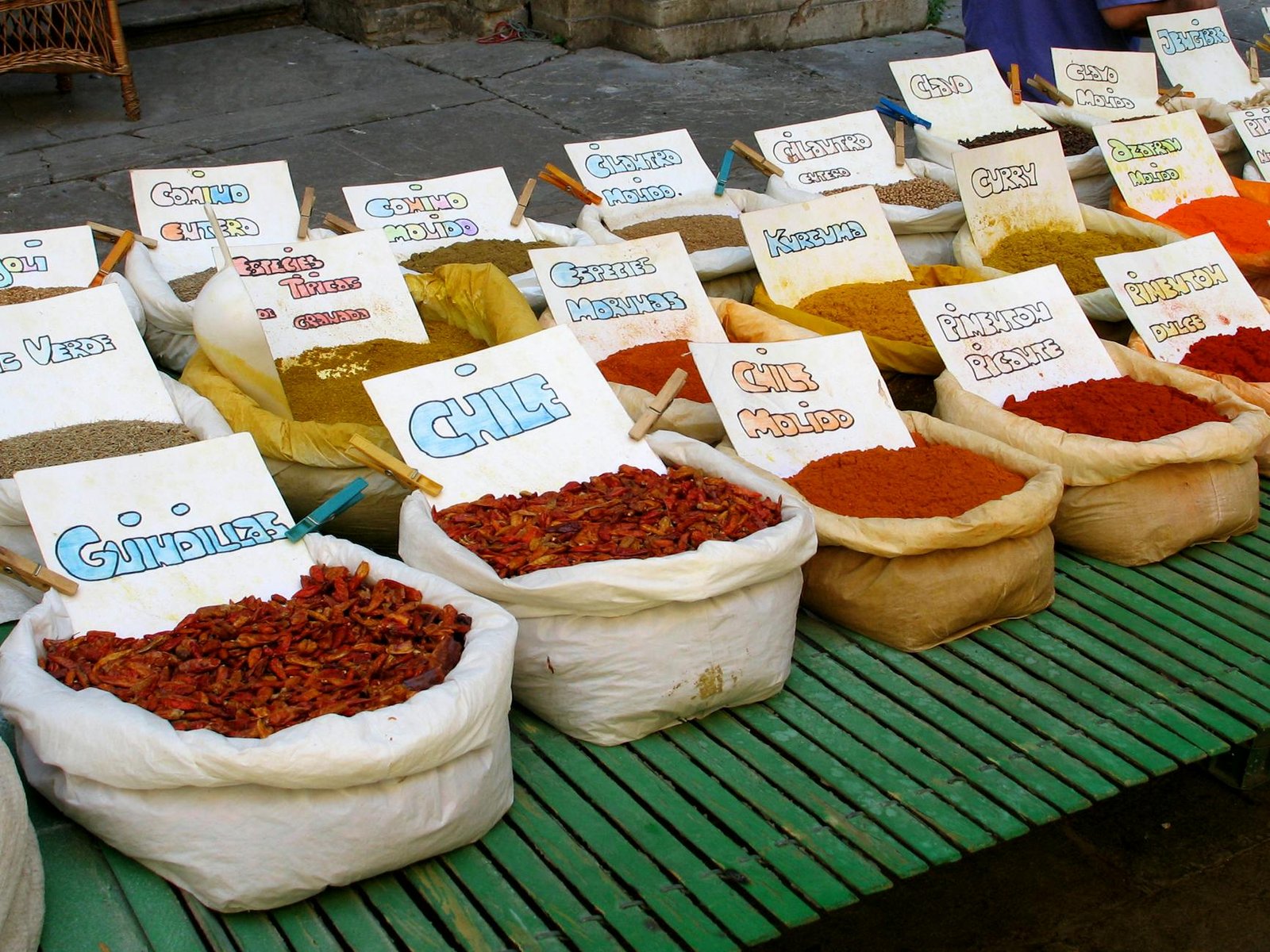
For a true taste of Granada’s fresh produce and regional specialties, visit Mercado de San Agustín, located in the heart of the city near the Cathedral. This covered market buzzes with activity from early morning, where vendors sell everything from just-caught Mediterranean fish to locally-grown pomegranates, a crop for which Granada is famous. The market perfectly embodies the region’s position between sea and mountains—you’ll find turbot and sea bream alongside wild mushrooms and game. The upper level now houses restaurants and wine bars where you can sample products while watching the market’s energy below.
Don’t miss the Realejo neighborhood, a local favorite that maintains a more traditional, less touristy atmosphere. Here you’ll discover regional cheeses from the Alpujarra mountains, freshly made morcilla (blood sausage), and seasonal vegetables that inspire Granada’s restaurant kitchens. Shopping at these markets gives you insight into what Granada’s top chefs are working with—it’s the best way to understand the region’s culinary philosophy of freshness and seasonality.
Top Street Food: What to Eat While Exploring
Granada’s street food scene captures the city’s multicultural identity perfectly. Start with espetos, fresh sardines grilled on beaches near Motril (about an hour away), but available as prepared takeaway in the city—this simple but magnificent preparation shows why Andalusian seafood needs little embellishment. Seek out churros con chocolate at any local churrería, a warming breakfast or afternoon snack that’s particularly magical during winter months when you can enjoy it warming your hands while sitting in Plaza Nueva. For something uniquely Granadian, try boquerones en vinagre (anchovies marinated in vinegar and garlic), a classic tapa that appears in nearly every bar.
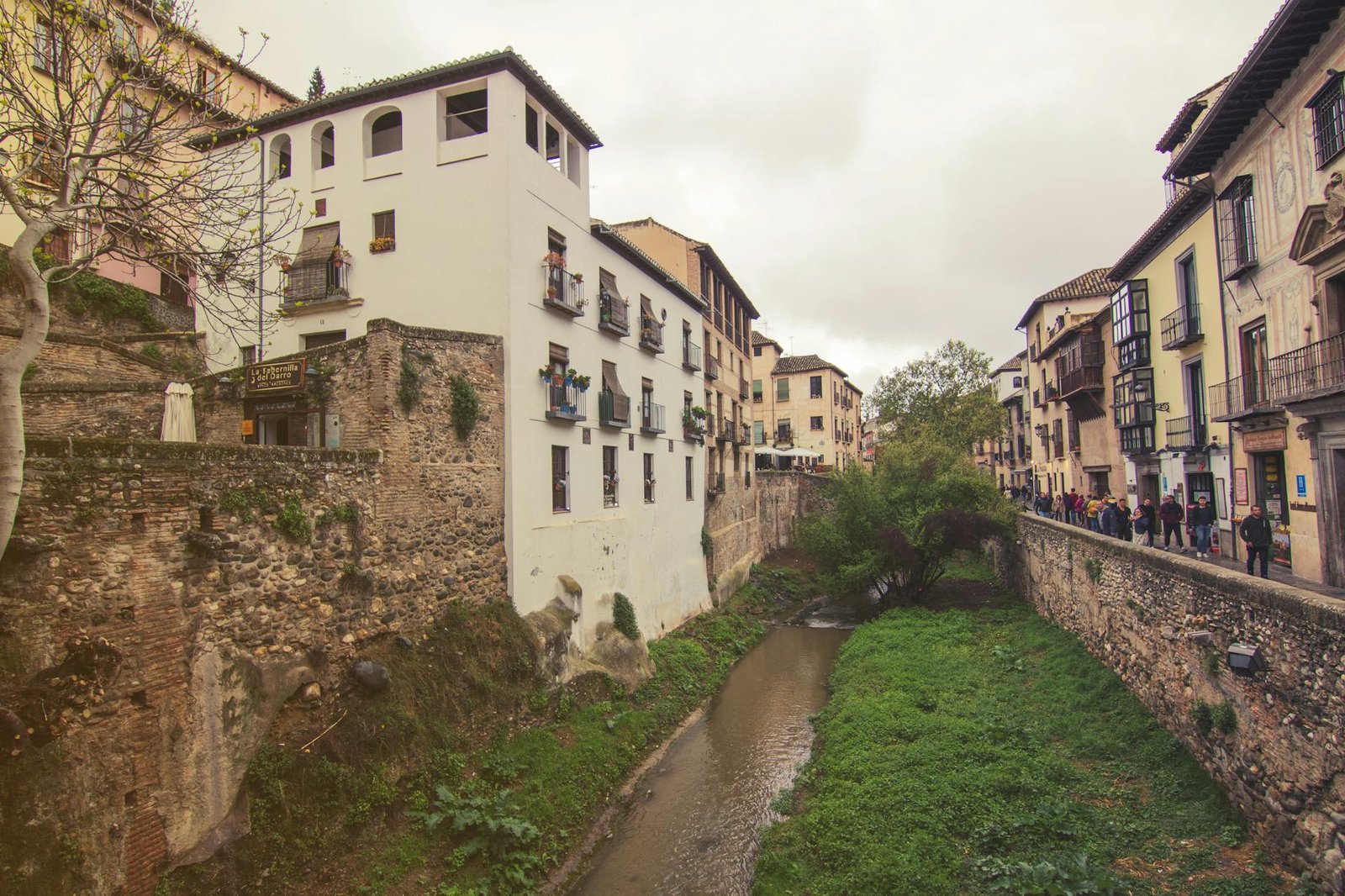
The Moorish influence shines through in Granada’s street snacks, particularly empanadas filled with meat, seafood, or vegetables—grab these from bakeries throughout the city for lunch. Don’t overlook torrijas, which are especially popular during Lent, or try buñuelos (fried dough pastries) dusted with sugar. Walk through the narrow streets of Albaicín in the evening when vendors set up small stalls selling fresh orange juice, and you’ll understand why Granada’s location remains perfect for citrus cultivation. For something more substantial, look for street vendors selling bocadillos con jamón ibérico (sandwiches with premium Iberian ham) near the Cathedral—these simple sandwiches represent the pinnacle of quality ingredients treated with respect.
Must-Try Local Dishes and Specialties
Rabo de toro is Granada’s soul food—a traditional soup-stew made with oxtail, vegetables, and traditionally served in working-class neighborhoods, particularly during winter. This humble dish embodies Andalusian cooking philosophy: simple ingredients prepared with time and care. Espinacas con garbanzos (spinach with chickpeas) is another Granada specialty reflecting Moorish influence, often served as a tapa or side dish and packed with nutritional value. Ensalada Granadina, a refreshing salad combining tomatoes, cod, orange, and olives, represents the region’s ability to blend Mediterranean ingredients with surprising flavor combinations.
Seafood dominates Granada’s menus thanks to proximity to the coast. Espetos (grilled sardines), gambas al ajillo (garlic shrimp), and boquerones are constants, but also seek out local preparations like espaguetis con hueva de erizo (pasta with sea urchin roe) and salmonetes a la sal (red mullet baked in salt crust). For sweets, granadinas (pastries with pomegranate) and tortas de aceite (olive oil wafers from nearby Jaén province) are essential treats. Most importantly, don’t leave without trying something with Granada’s famous pomegranates—the city’s symbol and a fruit that defines local desserts and garnishes throughout.
Best Restaurants: Where Tradition Meets Innovation
Restaurante Arrayanes in the Albaicín combines traditional Granadian recipes with modern presentation, offering exceptional value and authentic flavors in a charming historic setting. For fine dining, Bodegas Castañeda near the Cathedral showcases regional wines alongside sophisticated tapas plates. El Mercader is renowned for its commitment to local ingredients and traditional preparations, while Bar los diamantes deserves mention not just for tapas bars but for their full-service location offering exceptional fresh fish.
For experiencing Granada’s market-to-table philosophy, visit El Huerto de Juan Ranas, where local produce and seasonal ingredients drive the menu. If you want modern interpretations of traditional Granadian cuisine, explore Restaurante Carmen Abellán in the Albaicín, where the chef reimagines classic dishes while maintaining respect for tradition. Remember that Granada’s best food experiences often happen in humble neighborhood bars rather than formal restaurants—some of your most memorable meals will cost under €10.
Best Food Tours: Guided Culinary Experiences
Viator offers excellent Granada food walking tours, including “Granada Food and Wine Tour” which combines tapas tasting with local wine pairings while exploring historic neighborhoods. These tours typically include 4-5 stops with expert guides explaining the cultural significance of dishes and Granada’s unique position in Spanish cuisine. GetYourGuide similarly features comprehensive “Granada Tapas and Wine Tour” experiences that take you through authentic local bars, ensuring you visit genuine neighborhood spots rather than tourist traps.
For specialized experiences, look for market-focused tours on both platforms that include Mercado de San Agustín visits with cooking demonstrations or food history presentations. Many tours pair perfectly with the free tapas tradition—guides often know proprietors and can facilitate more generous tastings. Booking guided tours is worthwhile not just for the food itself but for understanding Granada’s complex history and how different cultural traditions have shaped what you’re eating.
When to Visit for Food: Seasonal Considerations
Spring and autumn are ideal for Granada’s food scene, with pleasant weather and seasonal ingredients at their peak. May-June brings fresh seafood, young vegetables, and outdoor dining possibilities, while September-October offers game, mushrooms, and the beginning of pomegranate season. Winter, though colder, features heartier stews, warming wines, and the magical experience of eating ice cream while gazing at snow-capped mountains—a uniquely Granadian combination.
Summer brings tourists but also outdoor terraces and refreshing gazpacho, salmorejo, and cold seafood preparations. Ramadan also affects Granada’s Muslim-owned restaurants and bars, creating unique evening food experiences during sunset hours. December is spectacular for holiday sweets and festive preparations, though restaurants get busier. The autumn pomegranate harvest (October-November) makes visiting during this season particularly special for experiencing this iconic local ingredient at its best.



Book a Food Experience in Granada
Handpicked experiences — book with free cancellation and instant confirmation.
Explore More Food Tours
More food guides from Spain:
You might also enjoy:
- Naples Food Tour Guide (Italy)
- Palermo Food Tour Guide (Italy)
Featured in:
Frequently Asked Questions
What is the typical cost of a food tour in Granada?
Most food tours in Granada range from €45 to €90 per person, depending on the tour operator and what's included. Premium tours with wine tastings or private guides can cost €100-150, while budget-friendly walking tours might be €30-40. Many tours include 5-8 food and drink stops at local establishments.
How long do food tours in Granada typically last?
Standard food tours in Granada last between 2.5 to 4 hours, usually conducted in the morning or evening when locals eat. Some specialized tours, like evening tapas crawls in the Albaicín, can extend to 3-4 hours with multiple stops. Half-day culinary experiences including cooking classes may last 4-6 hours.
What local Granada foods should I expect on a food tour?
You'll typically taste espinacas con garbanzos (spinach with chickpeas), jamón ibérico, fresh seafood like boquerones en vinagre (marinated anchovies), and rabo de toro (oxtail soup). Expect to sample local cheeses from Las Alpujarras, porra antequerana (similar to salmorejo), and traditional desserts like roscos de vino. Granada's location between mountains and coast means both hearty Moorish-influenced dishes and fresh Mediterranean seafood.
Which Granada neighborhoods are best for street food and tapas tours?
The Albaicín (old Moorish quarter) is the most atmospheric with narrow winding streets, historic tea houses, and traditional tapas bars serving free snacks with drinks. Plaza Nueva and the surrounding areas offer excellent street food vendors and modern tapas restaurants with city views. San Matías and Mercado de San Agustín provide authentic local experiences with traditional markets, modern food stalls, and contemporary fusion restaurants.
What tips should I know about dietary restrictions on Granada food tours?
Always inform your tour operator about dietary restrictions at least 24-48 hours in advance, as Granada's cuisine heavily features jamón ibérico, seafood, and traditional meat dishes. Vegetarian options exist but are limited in traditional tapas; look for tours specifically highlighting vegetable-based Moorish dishes or book with operators experienced in dietary accommodations. Many modern restaurants and the food market offer excellent vegetarian and vegan alternatives if you communicate your needs clearly.