Palma Food Tour – Best Local Food & Restaurants
Palma, Spain: The Ultimate Food Guide
A Mediterranean Culinary Paradise Awaits
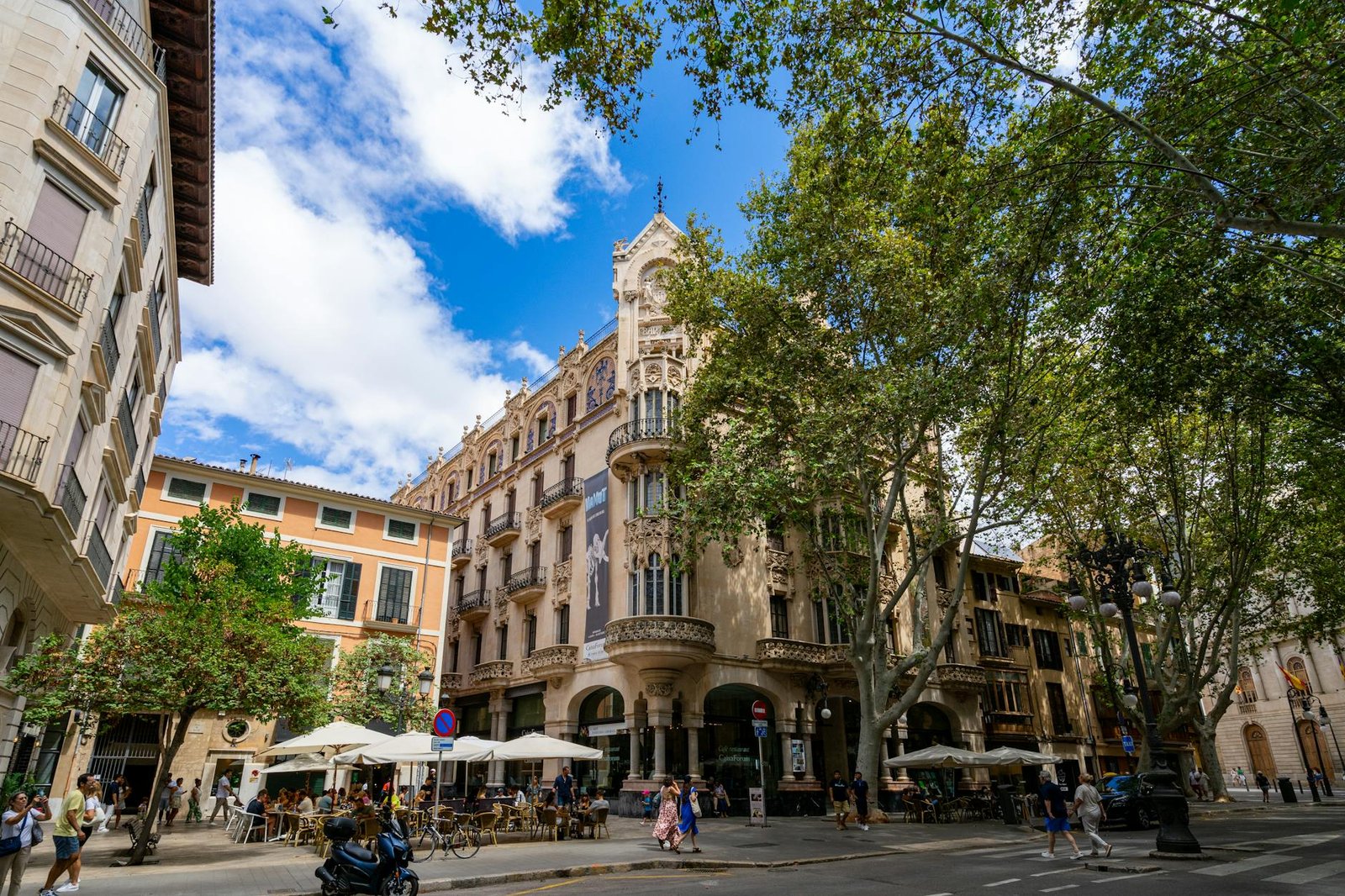
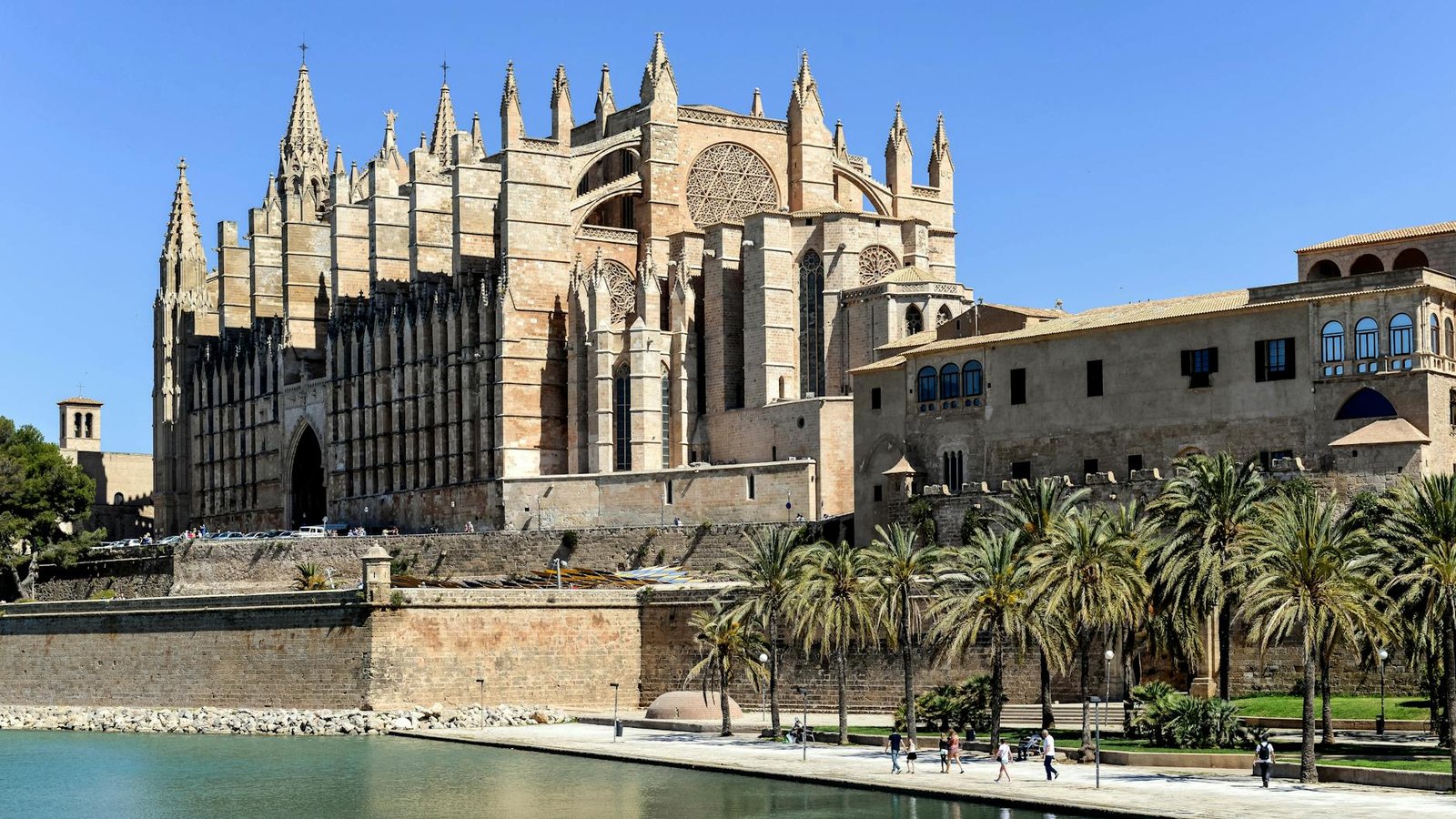
Palma, the vibrant capital of the Balearic Islands, is far more than just a sun-soaked beach destination. This charming Mediterranean city is a food lover’s dream, offering an intoxicating blend of traditional Mallorcan cuisine, fresh seafood, and innovative gastronomy. The island’s rich culinary heritage spans centuries, influenced by Catalan traditions, Moorish flavors, and the bountiful Mediterranean Sea. Walking through Palma’s atmospheric old town and bustling neighborhoods, you’ll discover hidden tapas bars tucked into medieval alleyways, family-run markets bursting with local produce, and restaurants pushing culinary boundaries.
The beauty of eating in Palma lies in its diversity and accessibility. Whether you’re sipping ensaimada pastries with hot chocolate in a centuries-old café or sampling fresh catch at a harborside restaurant, you’ll experience authentic island culture through food. The locals take their meals seriously here, with long lunches and evening paseos becoming part of your daily rhythm. From the moment you arrive, you’ll understand that Palma’s food scene isn’t just about sustenance—it’s a celebration of life, family, and the island’s agricultural and maritime traditions.
Exploring Palma’s Iconic Markets
The heart of Palma’s food culture beats loudest in its legendary markets, where vendors have sold their wares for generations. Mercat de l’Olivar, located in the charming La Lonja neighborhood, is the city’s most important market and an absolute must-visit. This sprawling marketplace spans two floors and offers an overwhelming abundance of fresh produce, seafood, cured meats, and artisanal cheeses. The fish section alone is a sensory spectacle, with mountains of glistening Mediterranean catches including grouper, sea bream, and langoustines. The market’s energy is infectious, with vendors enthusiastically offering samples and engaging in banter with regulars who’ve been shopping there for decades.
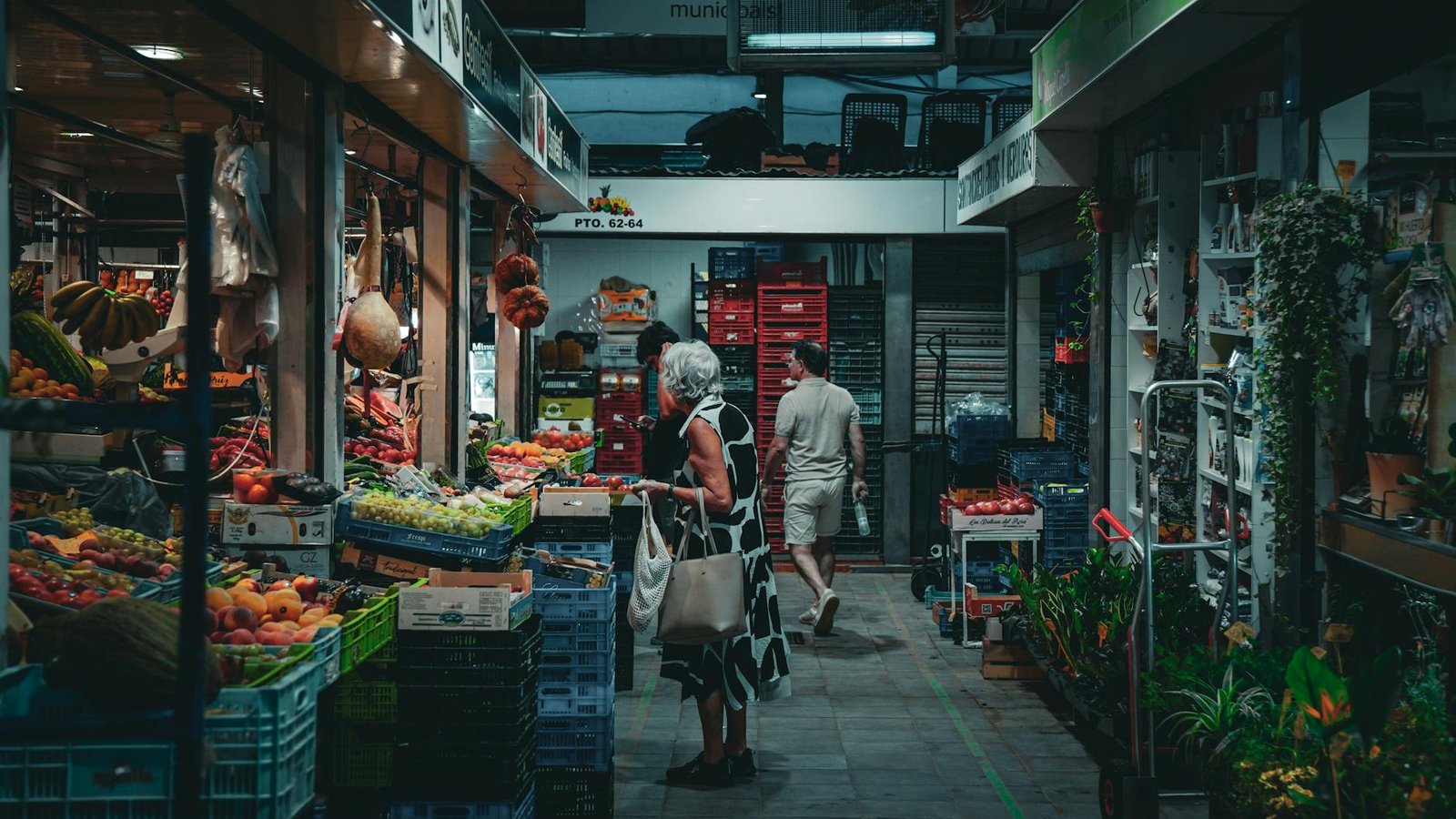
Beyond Mercat de l’Olivar, explore Mercat de Santa Catalina in the bohemian Sant Catalina neighborhood, a smaller but equally charming market that’s particularly popular with local chefs sourcing ingredients. The market’s surrounding area has transformed into a vibrant culinary district filled with tapas bars and casual eateries that source directly from the market stalls. Visiting these markets isn’t just about shopping—it’s a cultural immersion where you’ll witness the daily rhythms of Palma’s residents and understand the quality and variety of ingredients that fuel the island’s cuisine.
Top Street Food and Tapas Culture
Palma’s street food scene is where everyday eating becomes extraordinary. Ensaimada, the spiral-shaped pastry that’s the island’s most famous export, is essential eating. These delicate, buttery pastries come plain or filled with cream, chocolate, or sobrasada (spicy red sausage). Visit Fornet de la Soca, a 19th-century bakery restored to Modernista style in 1916 on Plaça Weyler, where locals queue for the most authentic versions. Another Palma staple is coca, a savory flatbread topped with vegetables or seafood that you’ll find at bakeries and street stalls throughout the city.
The tapas culture in Palma is vibrant and social, with neighborhoods like La Lonja and the Paseo Marítimo dotted with bars serving generous plates of jamón ibérico, patatas bravas, calamares a la romana, and gambas al ajillo. Head to any bodega in the old town and order a glass of vermouth with traditional tapas—it’s the Palmesano way. Street vendors also sell delicious bocadillos (sandwiches) filled with jamón, queso, or esqueixada (shredded salt cod salad), perfect for a quick lunch while exploring the cathedral or medieval streets.
Must-Try Mallorcan Dishes
Understanding Mallorcan cuisine means trying its signature dishes, each telling a story of the island’s agricultural and maritime heritage. Tumbet is a layered vegetable dish of eggplant, peppers, tomatoes, and potatoes topped with tomato sauce—humble, seasonal, and absolutely delicious. Frito Mallorquín is a hearty meat stew typically made with lamb, liver, and kidney, flavored with garlic, onions, and potatoes, representing comfort food at its finest. These dishes showcase how Mallorcan cooking celebrates simple, quality ingredients prepared with generations of knowledge.
Seafood defines island eating, and arroz a banda (rice cooked in fish broth) is a must-try coastal specialty. The rice is served separately from the broth, allowing you to appreciate each element individually. Gambas a la sal (prawns cooked in sea salt) and pulpo a la gallega (Galician-style octopus) are other seafood delights found throughout Palma’s restaurants. Bread plays an important role too—pa amb tomàquet (bread rubbed with tomato and olive oil) accompanies nearly every meal, and local Mallorcan bread varieties are incomparably fresh and flavorful.
Best Restaurants for Authentic Dining
For casual, authentic Mallorcan cooking, visit Ca’n Juan de S’Aigo, a legendary establishment in the old town that’s been serving hot chocolate and ensaimada since 1700. For more refined cuisine, FORN de Sant Joan offers a creative interpretation of traditional island ingredients. Located in the heart of the old town, this well-loved spot showcases dishes that capture the essence of Mallorcan flavour and locally sourced produce.
Restaurant Adrian Quetglas, a celebrated contemporary Mediterranean restaurant, offers contemporary Mediterranean cuisine in an elegant setting, using impeccable seasonal ingredients sourced from local producers. For seafood lovers, El Ambigú offers exceptional fresh fish and shellfish dishes in a welcoming setting. Tapas Palma in Sant Catalina combines casual atmosphere with excellent traditional cooking, making it perfect for an authentic dinner without pretension. These establishments range from budget-friendly to splurge-worthy, ensuring memorable meals at every price point.
Wine and Local Beverages
Palma’s beverage culture extends far beyond water and coffee. The Balearic Islands produce excellent wines, particularly from regions like Binissalem and Pla i Llevant. Mallorcan wineries such as Macià Batle produce varietals using local grapes, and many Palma restaurants feature extensive local wine lists. Vermouth, served chilled with ice and a slice of orange or lemon, is the pre-dinner drink of choice among Palmesanos, best enjoyed at a waterfront bar during sunset.
Don’t miss palo, a sweet herbal liqueur unique to the Balearics, or hierbas ibicencas, a digestive spirit traditionally enjoyed after meals. Local beers like Voll Damm are excellent, while the island’s fresh orange juice is incomparably vibrant. Coffee culture is serious business here too—order a café con hielo (coffee with ice) on hot afternoons, or enjoy rich espresso shots after meals as locals do.
Best Food Tours and Experiences
To maximize your culinary experience in Palma, consider guided food tours that provide context and access to places you might otherwise miss. Viator offers several excellent options, including market-to-table tours that combine Mercat de l’Olivar exploration with tastings at local restaurants, and evening tapas crawls through the historic center. These tours typically include commentary on Mallorcan history and food culture, making them valuable even for experienced food travelers.
GetYourGuide features diverse offerings such as cooking classes in traditional Mallorcan homes, guided wine tastings featuring local producers, and specialized seafood tours focusing on the island’s fishing traditions. Many tours include stops at family-run restaurants unremarkable from the street but beloved by locals. Booking these experiences provides insider knowledge, small-group camaraderie, and often better pricing than visiting restaurants independently.
When to Visit for Food
Spring (April-May) and autumn (September-October) offer ideal conditions for food exploration in Palma. During these seasons, the weather is comfortable for wandering markets and neighborhoods, and seasonal produce reaches its peak. Spring brings fresh vegetables, seafood, and lighter dishes, while autumn offers mushrooms, game, and heartier preparations. Summer heat can make midday market visits challenging, though evening eating becomes even more leisurely, with restaurants offering special summer menus.
Consider timing your visit around food festivals and events. Late May brings the Cherry Blossom Festival celebrations with food components, while late September features various seafood festivals highlighting local catches. Winter, though quieter for tourism, offers authentic local dining experiences and excellent seasonal preparations like hearty stews and game dishes. Whenever you visit, embrace Palma’s meal schedule—lunch from 1-3 PM and dinner after 8 PM—to experience food culture as locals do.



Book a Food Experience in Palma
Handpicked experiences — book with free cancellation and instant confirmation.
Explore More Food Tours
More food guides from Spain:
You might also enjoy:
- Lecce Food Tour Guide (Italy)
- Milan Food Tour Guide (Italy)
Featured in:
Frequently Asked Questions
What is the typical cost of a food tour in Palma?
Most food tours in Palma range from €45 to €85 per person, depending on the duration and number of tastings included. Premium tours with wine pairings or private guides can cost €100-150, while budget options focusing on street food might start at €35-40 per person.
How long do food tours typically last in Palma?
Standard food tours in Palma usually last 2.5 to 4 hours, covering multiple stops and neighborhoods. Evening tapas tours often run 3-4 hours and start around 6 PM, allowing you to experience the local dining culture during aperitivo hours.
What local Palma foods should I expect on a food tour?
You can expect to taste Pan con tomate (tomato bread), sobrasada (cured sausage), tumbet (vegetable stew), and fresh seafood like gambas al ajillo (garlic shrimp). Mallorcan specialties such as ensaimada (sweet pastry), local cheese, and alioli are also common stops on authentic tours.
Which neighborhoods in Palma are best for street food exploration?
The Old Town (Casco Antiguo) and the area around the Cathedral offer charming tapas bars and traditional food stalls with historic atmosphere. Paseo Marítimo features modern food venues with sea views, while the bustling Mercat de l'Olivar market neighborhood is ideal for fresh produce, cured meats, and local ingredients.
How can I manage dietary restrictions on a Palma food tour?
Always inform your tour operator about dietary restrictions at least 48 hours in advance, as most reputable companies can arrange vegetarian, vegan, or gluten-free alternatives. Spanish cuisine offers excellent options like gazpacho, grilled vegetables, and seafood-based dishes that naturally accommodate many dietary needs.