Best Cities for Dumplings Around the World 2026
Few foods tell the story of a culture quite like a dumpling. Thin dough wrapped around seasoned filling, then steamed, boiled, pan-fried, or braised — the concept is deceptively simple, yet every city that claims a dumpling as its own has spent centuries perfecting it. From the trembling soup-filled parcels of Shanghai to the herb-laced meat pockets of Georgia, dumplings are street food, celebration food, and comfort food all at once. This guide rounds up the best cities in the world to eat them in 2026, with practical tips on what to order, where to find them, and roughly what to expect to spend.
Shanghai, China: The Gold Standard of Soup Dumplings
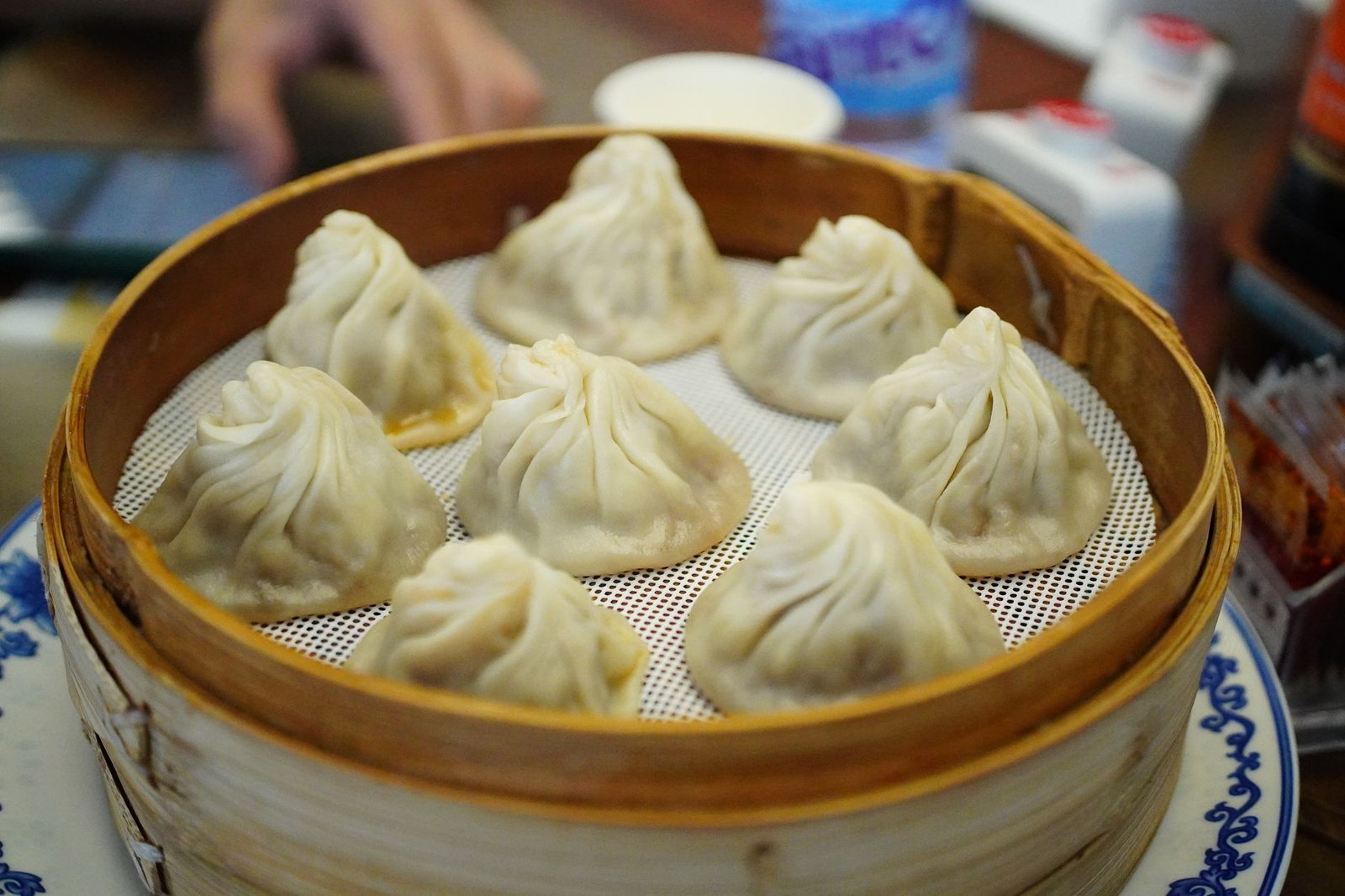
Shanghai is the undisputed spiritual home of xiao long bao — the pleated, soup-filled steamed dumplings that have inspired imitations on nearly every continent. What makes the genuine article so special is the engineering: a rich, gelatinised pork broth is folded into the filling so that when the dumpling is steamed, the jelly melts into liquid. Bite into one carelessly and you will wear the soup. The ritual matters: lift carefully with chopsticks, rest in a spoon, nibble a small hole, sip the broth, then eat.
The city also produces sheng jian bao, a pan-fried cousin with a thicker dough, a crispy caramelised base, and a similarly soupy interior. These are less refined but no less addictive, often sold from giant cast-iron pans on street corners in the old French Concession and around Jing’an.
Where to Go and What to Pay
- Din Tai Fung (multiple Shanghai locations): The Taiwanese chain that brought xiao long bao to global fame has outposts throughout Shanghai. A bamboo basket of eight dumplings typically costs around 60–80 RMB (roughly USD 8–11). Lines form early at lunch.
- Jia Jia Tang Bao (Huanghe Road): A local institution with no-frills décor and consistently excellent xiao long bao at closer to 30–40 RMB per basket — a fraction of the tourist-facing spots.
- Yang’s Fry-Dumpling (multiple locations): The go-to for sheng jian bao, priced at around 10–15 RMB for four pieces. Expect a queue.
Food tours in Shanghai focusing specifically on the dumpling and dim sum scene are well-represented on GetYourGuide and Viator, many of which include a wet market visit followed by tastings across three or four dumpling styles in a single morning.
Tokyo, Japan: Gyoza Done Right
Tokyo’s gyoza are categorically different from their Chinese jiaozi ancestors, and the city is quietly evangelical about it. Japanese gyoza tend to use thinner wrappers, a higher ratio of cabbage and garlic chive to pork, and are almost always pan-fried (yaki-gyoza) to produce a crispy, lacy-edged bottom with a tender steamed top. They arrive in interlocking half-moon rows, served with a dipping sauce of soy, rice vinegar, and chilli oil that you mix yourself.
Ramen shops across Shinjuku, Shibuya, and Asakusa serve gyoza as a standard side dish, but dedicated gyoza specialists have gained enormous followings. Harajuku Gyozaro in the Harajuku neighbourhood draws long queues for its straightforward, perfectly executed pan-fried dumplings. A serving of six typically costs between 400–700 JPY (roughly USD 3–5).
For a broader Tokyo street-food experience, guided food tours through Shinjuku and Tsukiji often incorporate gyoza alongside yakitori and ramen, and are easy to book through Viator with English-speaking guides.
Two European Capitals Worth the Journey: Krakow and Tbilisi
Krakow, Poland: Pierogi in the Heart of Old Town
Poland takes pierogi seriously, and Krakow is the best city in the country to eat them. Unlike their Asian counterparts, pierogi are boiled first and often finished in a hot pan with butter and caramelised onion, producing a slightly chewy, golden-edged dumpling with a hearty filling. The classic combination is potato and farmer’s cheese (ruskie), but menus across Krakow’s Old Town and Kazimierz district offer fillings including braised sauerkraut and mushroom, minced pork, and seasonal fruit for dessert versions.
Restauracja Mil on ul. Grodzka is a reliable choice near the main square, with a full pierogi menu and plates starting at around 25–45 PLN (roughly USD 6–11). Pierogarnia Krakowiacy in the Kazimierz Jewish Quarter is known for adventurous filling combinations and has become popular with younger locals and visitors alike.
Tbilisi, Georgia: Khinkali and the Art of the Knob
Khinkali are Georgia’s magnificent soup dumplings — bulbous, pleated parcels filled with spiced minced meat (traditionally beef and pork), fresh herbs, and a rich broth. They are larger than xiao long bao, sturdier, and eaten by hand. The proper technique is to hold the thick dough knob at the top, bite a small hole, drink the broth, and then eat the rest. The knob itself is traditionally left on the plate — eating it marks you as an inexperienced visitor.
Tbilisi’s old-town neighbourhood of Abanotubani and the streets around Rustaveli Avenue are dotted with Georgian taverns (called dukanis) where khinkali are made in-house daily. Machakhela, a reliable local chain with central Tbilisi locations, serves khinkali at around 1.50–2.50 GEL per dumpling (roughly USD 0.55–0.90), meaning a filling meal costs next to nothing by Western standards. Shepherd’s khinkali with potato and cheese filling offer a vegetarian alternative.
Asia’s Hidden Dumpling Gem: Kathmandu Momos
Nepal’s momos have become one of South Asia’s most beloved street foods, and Kathmandu is the city where the tradition runs deepest. Brought into Nepal through Tibet and refined over generations, momos are steamed or fried dumplings filled with buffalo meat, chicken, vegetables, or paneer — always heavily seasoned with ginger, garlic, turmeric, and sometimes Szechuan pepper. They are served with a fiery tomato-sesame dipping sauce called achar that is as essential to the experience as the dumpling itself.
Around Thamel and the Boudhanath stupa area, momos are available everywhere from hole-in-the-wall steam carts to sit-down restaurants. Prices are famously low — a plate of ten steamed or fried momos typically runs between 150–300 NPR (approximately USD 1.10–2.25). Thakali Kitchen near Thamel Chowk is frequently recommended for quality, and the restaurant Yangling in the Thamel area is known for its Tibetan-influenced take on the dish.
Food-tour operators in Kathmandu listed on GetYourGuide offer heritage walks through the old city that combine momo tastings with views of ancient courtyards and temples — a natural pairing given how deeply street food is woven into daily neighbourhood life here.
The Americas: Buenos Aires Empanadas and Xi’an’s Jiaozi
Buenos Aires, Argentina: Empanadas as a Way of Life
Technically a pastry pocket rather than a thin-dough dumpling, the Argentine empanada is too important to omit from any global survey. Each province of Argentina has its own regional version, but Buenos Aires serves as the melting pot where you can find them all: the classic beef, olive, and hard-boiled egg filling from Tucumán, the spicier Salta version, and the Buenos Aires staple of ham and cheese. They are baked or fried, bought by the unit, and eaten standing up or at a paper-plate table.
El Sanjuanino on Posadas Street in Recoleta is a long-established landmark that pulls in locals and visitors for its hand-crimped, baked empanadas at around ARS 800–1,200 each (prices in Argentina shift frequently; budget roughly USD 0.80–1.20 per piece at current parallel rates). La Cocina on Pueyrredón Avenue is another institution known for consistent quality and a wide regional selection.
Xi’an, China: Jiaozi at the Source
While jiaozi are eaten across all of China, Xi’an has built an entire culinary identity around them. The city’s famous dumpling banquets (jiaozi yan) offer up to 108 different varieties in a single sitting, with shapes and fillings referencing local history, the Silk Road, and Tang Dynasty aesthetics. Alongside boiled and pan-fried versions, Xi’an serves deep-fried, steamed, and even sweet dessert dumplings in elaborate sequences.
The Defachang Dumpling Restaurant near the Bell Tower is the city’s most famous address for this experience, with set banquet menus ranging from roughly 80–300 RMB per person depending on the number of varieties selected. The Muslim Quarter nearby offers a contrasting, street-level dumpling experience with lamb and cumin-filled fried versions for just a few RMB apiece.
Planning Your Dumpling Trip: Practical Tips for 2026
- Book food tours early for Shanghai and Tokyo: These cities have the highest demand for English-language guided food experiences. GetYourGuide and Viator both list reputable operators with morning market tours that fill quickly in peak spring and autumn travel seasons.
- Go where locals queue: In every city on this list, the presence of a lunchtime queue of office workers or neighbourhood regulars is a more reliable quality signal than any review platform rating.
- Understand the eating etiquette before you order: Khinkali knobs, xiao long bao broth, momo achar — each dumpling has a ritual. Knowing the conventions before you sit down makes the experience significantly more enjoyable and earns quiet appreciation from staff.
- Visit at off-peak hours where possible: The best dumpling makers — especially small operations in Krakow’s Kazimierz and Tbilisi’s old town — can sell out of fresh batches by mid-afternoon. Aim for 11:30am or early evening.
- Budget modestly: With the exception of a full jiaozi banquet in Xi’an or a tourist-facing spot in Shanghai, dumplings in every city on this list represent exceptional value. The best meals are rarely the most expensive.
The world is full of dumplings, and every fold of dough tells you something about the people who invented it — their climate, their history, their sense of celebration. Whether you are planning a dedicated culinary trip or simply want to know where to spend an afternoon in a city you are already visiting, this guide is the place to start. Explore the full collection of food trail guides on FoodTourTrails.com for destination deep-dives, recommended tour operators, and neighbourhood-by-neighbourhood eating maps to help you plan every meal worth planning.
Frequently Asked Questions
Which city is considered the absolute best destination for soup dumplings (xiaolongbao) in 2026?
Shanghai remains the undisputed capital of xiaolongbao, with Din Tai Fung and local favorite Jia Jia Tang Bao consistently drawing long queues. The Huangpu and Jing'an districts are packed with century-old dumpling houses where a basket of 10 costs as little as 15–25 RMB. First-time visitors should arrive before 10am to avoid the worst waits at the most iconic spots.
Is it safe to eat dumplings from street stalls, or should I stick to restaurants?
Street stalls in cities like Chengdu, Istanbul, and Tbilisi are generally safe if you follow a few basic rules: look for high turnover, watch that dumplings are cooked fresh to order, and avoid anything that's been sitting out. Many locals actually prefer street vendors for authenticity and price, and busy stalls typically signal fresher ingredients. Carrying digestive probiotics and staying hydrated can help your gut adjust when trying multiple vendors in one day.
What's the best city for dumplings if I'm vegetarian or vegan?
Chengdu is arguably the top choice for plant-based dumpling lovers, thanks to its deep Buddhist culinary tradition producing incredible mushroom, tofu, and vegetable-filled jiaozi. Taipei is also excellent, with a thriving vegan food scene where dedicated dumpling restaurants clearly label all animal-free options. Always confirm fillings directly with staff, as broth or lard is sometimes used in dough even when the filling appears vegetarian.
How much should I budget per day if I want to eat dumplings across multiple spots in one city?
In cities like Chengdu or Xi'an, you can sample dumplings at 4–6 different stalls or restaurants for as little as $15–25 USD per day. Istanbul's manti spots and Warsaw's pierogi bars sit in a mid-range of $30–50 USD for a full day of dedicated dumpling crawling including drinks. Tokyo's gyoza scene can push closer to $50–80 USD depending on whether you include specialty omakase-style dumpling bars that have grown popular heading into 2026.
Which dumpling destination is best for first-time solo travelers who don't speak the local language?
Taipei is consistently rated the most accessible dumpling city for solo travelers, with widespread English menus, helpful staff, and a very safe urban environment. The Night Market culture means food is communal and approachable, and ordering by pointing at photos or QR-code menus is completely normalized. Tokyo is a close second, with many gyoza restaurants now offering multilingual digital ordering systems introduced ahead of the 2026 travel surge.
Book a Food Experience in Top Destinations
Handpicked experiences — book with free cancellation and instant confirmation.