Mediterranean Seafood Cities 2026: Valencia, Catania & 10 More
The best cities for seafood in the Mediterranean are not just about fresh fish — they’re about centuries of technique, local obsession, and the kind of recipes that families still argue over at Sunday lunch. Across this coastline, these five cities stand out as the ones worth returning to again and again.
Marseille, France — Bouillabaisse Done Properly
Forget the €15 tourist version served in a plastic bowl near the Vieux-Port. Real bouillabaisse in Marseille takes two hours to make and costs somewhere between €55 and €80 per person. It’s worth every euro. The dish traditionally requires at least four types of fish — rascasse (scorpionfish), grondin, Saint-Pierre, and vive — plus saffron, fennel, and a rouille so thick it holds a spoon upright.
Where to eat: Chez Fonfon, tucked into the Vallon des Auffes, is the old-school benchmark. Book two weeks ahead, minimum. Restaurant Miramar on the Quai du Port is more central and slightly easier to get into, but the quality is equally serious. Both post their fish sourcing daily on a chalkboard.
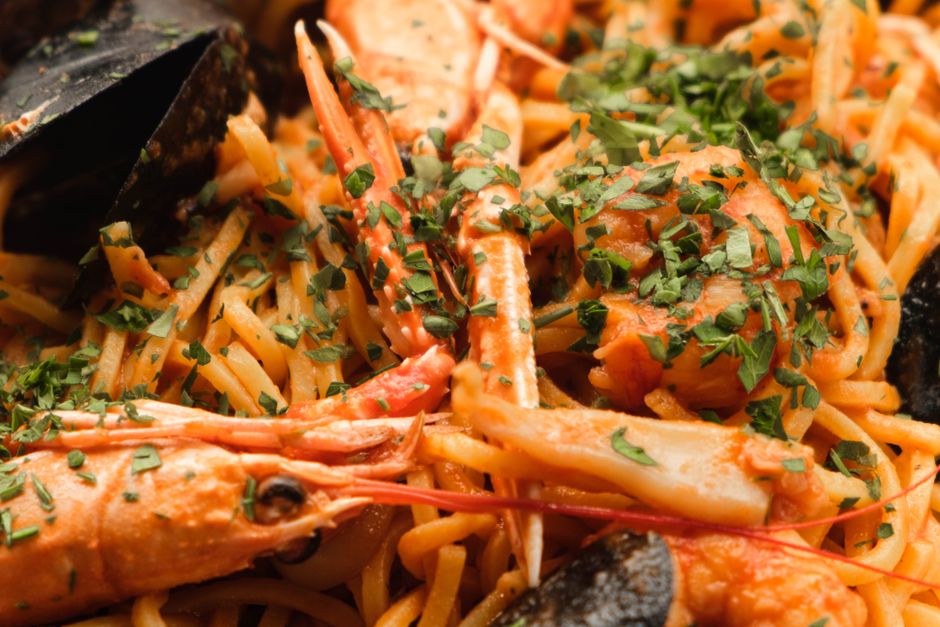
Marseille’s fish market at Quai des Belges runs every morning until around 1pm. Get there before 9am if you want the good stuff — by 11am the best rascasse is gone and you’re left with whatever the tourists photographed instead of buying.
Valencia, Spain — Paella at the Source
Valencia is where paella was invented, and the locals are genuinely offended by what gets served elsewhere. Traditional Valencian paella contains chicken, rabbit, green beans, and butter beans. Not seafood, funnily enough. The seafood version — arroz a banda — is a separate dish, and it’s extraordinary.
Where to eat: La Pepica on the Malvarrosa beachfront has been open since 1898 and serves arroz a banda that comes out with a proper socarrat — the crispy, slightly scorched rice crust on the bottom of the pan. Expect to pay around €22–28 per person for the rice dishes. On weekends, there’s a wait even with a reservation, so go at 2pm on the dot.
The Mercado Central in Valencia is one of the better food markets in Spain — massive, gorgeous building, actual locals shopping there. The seafood stalls on the eastern side sell fresh sea bass, prawns, and clams that vendors will gladly talk you through if your Spanish runs to basic numbers and pointing.

Thessaloniki, Greece — Ouzo, Octopus, and Zero Fuss
Thessaloniki doesn’t get the tourist volume of Athens or Santorini, which means the seafood here is still priced for Greeks rather than cruise ship passengers. The waterfront tavernas along Nikis Avenue grill whole fish to order. A 500g sea bream typically runs €14–18, served with lemon, olive oil, and bread you didn’t ask for but will eat all of anyway.
Where to eat: Tiffany’s on Iktinou Street, a step off Tsimiski, sounds absurd but is a Thessaloniki institution – it closed in 2013 and came back with a new team and a Greek menu. The fried calamari is light, not greasy, and the taramosalata is made in-house. For grilled octopus with a glass of ouzo, sit at any of the small kafeneia around the Modiano Market — this is where you eat for €8 and feel like you’ve discovered something, even though every local already knows about it.
Catania, Sicily — Swordfish, Tuna, and the Pescheria
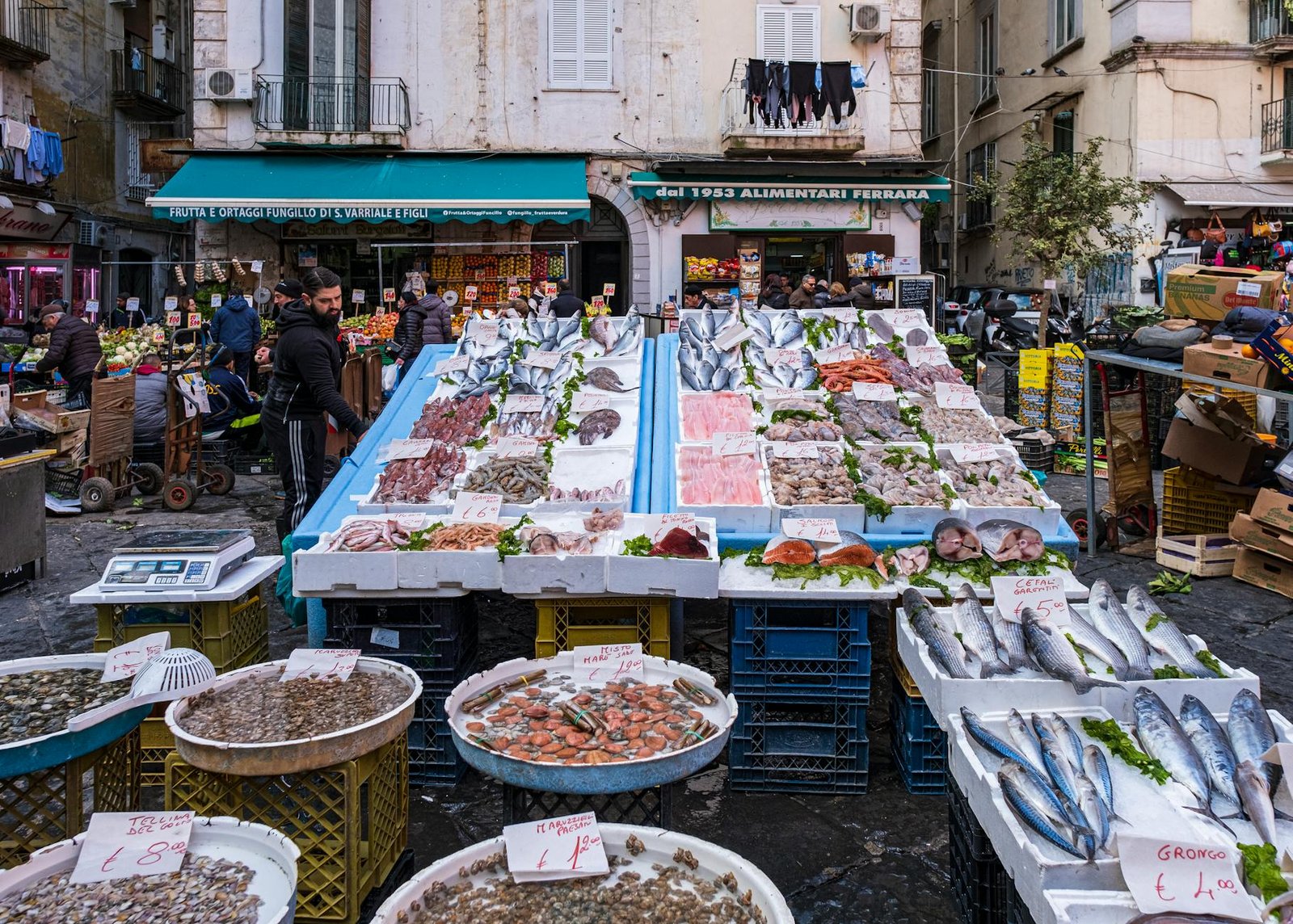
Catania’s fish market — La Pescheria — runs Tuesday through Saturday from around 7am to 2pm, right next to Piazza del Duomo. It is loud, wet, and completely alive. Vendors shout, ice melts into the gutters, and a swordfish the length of your arm gets carved up in under a minute. This is where Catanese home cooks buy their fish, and prices reflect it.
Where to eat: Osteria Antica Marina, directly adjacent to the market, does a sarde a beccafico — sardines stuffed with breadcrumbs, pine nuts, and raisins — that I’ve been thinking about for two years. It costs about €12 as a starter. For swordfish involtini, try Me Cumpari Turiddu on Via Plebiscito. Book ahead on weekends; they fill up by 1pm.
Tuna is the historic catch here. From April through June, the mattanza — the traditional tuna hunt — still influences the menus even if the practice itself is largely historical now. Tuna in all forms appears on every serious restaurant menu: raw, grilled, bottled in olive oil.

Dubrovnik, Croatia — Impressive Views, Variable Plates
Honest warning: Dubrovnik is heavily touristed and the old town restaurants know it. You’ll pay €30+ for a main course in several spots and not always feel the value. That said, the seafood itself — Adriatic black risotto made with cuttlefish ink, grilled John Dory, fresh Pag island oysters — is genuinely good when you find the right kitchen.
Where to eat: Restaurant 360 delivers serious cooking with the famous wall views, and the pricing (€45–60 for mains) is at least honest about what you’re paying for. For something less polished but more affordable, head to Luka’s in Gruz Harbor, about 3km from the old town. Locals eat here. The crni rižot — black risotto — is €16 and worth every kuna-equivalent.
If you want a guided introduction to any of these cities’ food scenes, platforms like Viator and GetYourGuide list market tours and cooking classes that give you context before you start eating alone and confused. Particularly useful in Marseille and Catania where the market culture moves fast.
More Mediterranean and Atlantic Seafood Cities
The five cities above are where I would start. These are worth building a trip around too — some Mediterranean, some Atlantic, all of them serious about what comes out of the water.
Lisbon, Portugal
Lisbon’s relationship with the sea is total and ancient. The city’s most iconic ingredient, bacalhau (salt cod), comes not from the Mediterranean but from the cod-fishing grounds of the North Atlantic, and Portuguese cooks have developed over 365 ways to prepare it — one for every day of the year, according to tradition. Beyond bacalhau, the Atlantic seafood available at Lisbon’s fish market and the excellent marisqueiras (seafood restaurants) along the Tagus is exceptional: percebes (barnacles), amêijoas (clams), linguado (sole), and the extraordinary seafood rice dishes that make Portugal a serious destination for ocean-focused eating. Explore our full Lisbon, Portugal food guide →
Naples, Italy
Naples and the wider Campania coast have some of Italy’s finest seafood traditions. The fritto misto di mare — a generous mixed fry of whatever the morning’s catch brought in — is essential, as is the spaghetti alle vongole (clams) and the linguine al cartoccio (seafood baked in a paper parcel). The fishing village of Pozzuoli just north of Naples and the island of Procida are worth a day trip for seafood eating at its most unadorned. At its best, Neapolitan seafood cooking is a demonstration of absolute restraint. Explore our full Naples, Italy food guide →
Athens, Greece
Athens is not a coastal city per se, but its proximity to the Aegean and the fishing port of Piraeus means that the seafood arriving in its tavernas and markets is among the freshest in the Mediterranean. The classic Athenian fish taverna experience — grilled fish priced by the kilo, shared mezedes of taramasalata, grilled octopus, and fried zucchini — remains one of the great pleasures of European food travel. The Mikrolimano harbour area in Piraeus is the finest setting for seafood dining in the greater Athens area. Explore our full Athens, Greece food guide →
Barcelona, Spain
Barcelona’s food culture is inseparable from the sea. The La Barceloneta beachfront neighbourhood was historically a fishing village, and its chiringuito culture — casual seafood bars serving the catch of the day — remains a defining feature of the city. The paella and fideuà (a noodle-based paella variation) of Barcelona, though contested by purists who say true paella belongs to Valencia, are excellent. The magnificent seafood counter at La Boqueria market is one of the most impressive sights in European food culture. Explore our full Barcelona, Spain food guide →
Split, Croatia
Split’s position on the Dalmatian coast gives it access to some of the cleanest waters in the Adriatic and consequently some of the finest seafood in Croatia. The peka — a slow-cooked preparation of meat or seafood under a bell-shaped lid covered with embers — is the region’s signature cooking method. Fresh Adriatic fish grilled simply over charcoal, scampi on the shell, and the extraordinary prstaci (date mussels, now protected) are all reasons to base a food trip around Split. The daily morning fish market below Diocletian’s Palace is not to be missed. Explore our full Split, Croatia food guide →
Valletta, Malta
Malta’s position at the centre of the Mediterranean means its seafood reflects both the western and eastern traditions of the sea. The lampuka (mahi-mahi) is Malta’s most prized fish, available fresh only from September to November, and the lampuka pie — baked in a pastry shell with olives, capers, and tomato — is one of the great dishes of Maltese cuisine. The Marsaxlokk fishing village, accessible by bus from Valletta, hosts a spectacular Sunday fish market that draws food lovers from across the island. Explore our full Valletta, Malta food guide →
Palermo, Italy
Sicily’s position at the crossroads of the Mediterranean — between North Africa, the Levant, and mainland Europe — gives Palermitan seafood cooking an extraordinary range of influences. The stigghiola (grilled intestines, often from lamb or goat) sold at street markets shares space with the sarde a beccafico (stuffed sardines in the Arab-influenced agrodolce sweet-and-sour style) and the spectacular pasta con le sarde (pasta with sardines, wild fennel, and pine nuts). The Vucciria market’s seafood section is one of the great food experiences of Italian travel.
A Few Things All These Cities Share
- Lunch is the main meal — restaurants serving locals peak between 1pm and 3pm, not at dinner
- Simplicity signals quality — the fewer ingredients listed, the more confident the kitchen
- Ask what came in that morning — any decent seafood restaurant will tell you, and the answer shapes what you should order
- Avoid places with photos on the menu — with very few exceptions, this remains reliable advice across all five cities
Mediterranean seafood cooking at its best is not complicated. It’s fish that was swimming yesterday, heat applied with restraint, and olive oil added without guilt. The cities here just happen to do it better than almost anywhere else on earth.
The coastlines of Europe remain among the world’s great seafood destinations, and the cities above offer unrivalled access to the daily catch of some of the richest seas on earth. Explore all our city food guides to plan your coastal food adventure.
For the wider picture beyond the Mediterranean – Bergen, Galway, Osaka, Sydney – see Best Cities for Seafood Lovers.
Book a Food Experience in Top Destinations
Handpicked experiences — book with free cancellation and instant confirmation.
Explore More Food Tours
Guides for the cities in this article:
- Dubrovnik Food Tour Guide (Croatia)
- Lisbon Food Tour Guide (Portugal)
- Palermo Food Tour Guide (Italy)
- Galway Food Tour Guide (Ireland)
- Sydney Food Tour Guide (Australia)
- Valletta Food Tour Guide (Malta)
Frequently Asked Questions
What's the best time of year to visit Mediterranean cities for the freshest seafood?
Late spring through early fall (May-September) offers the freshest catches, as Mediterranean fishing seasons peak during warmer months. However, if you want to avoid crowds and still enjoy excellent seafood, consider visiting in April or October when fish markets are still abundant and restaurants are less touristy.
Do I need to speak the local language to find authentic seafood restaurants?
While it helps, it's not essential—locals will often direct you to family-run seaside tavernas and fish markets even with basic English. The key is looking for restaurants near fishing harbors where fishermen eat, as these consistently serve the freshest daily catches regardless of language barriers.
Are seafood meals expensive in Mediterranean cities, or can budget travelers find good deals?
You can absolutely enjoy excellent seafood on a budget by eating at casual harbourside eateries and fish markets rather than tourist-focused restaurants. Lunch menus are typically 30-40% cheaper than dinner, and ordering the catch of the day (often the least expensive option) guarantees freshness while keeping costs down.
Which Mediterranean cities have the best seafood for someone with shellfish allergies?
Cities like Barcelona and Rome offer diverse seafood options beyond shellfish, including excellent white fish, octopus, and squid dishes that are staples in their cuisines. Always inform restaurants of your allergy in advance, and stick to establishments that clearly list their daily fish selections, as cross-contamination is less likely in dedicated fish markets.
What's the difference between eating seafood at a harbourside restaurant versus a fish market in Mediterranean cities?
Fish markets offer the freshest, cheapest option where you can see today's catch and often grab prepared grilled fish to eat standing up, while harbourside restaurants provide ambiance, service, and cooked dishes at premium prices. Many travelers enjoy doing both: buying fresh fish at markets for casual meals and reserving restaurants for special dinners with sea views.