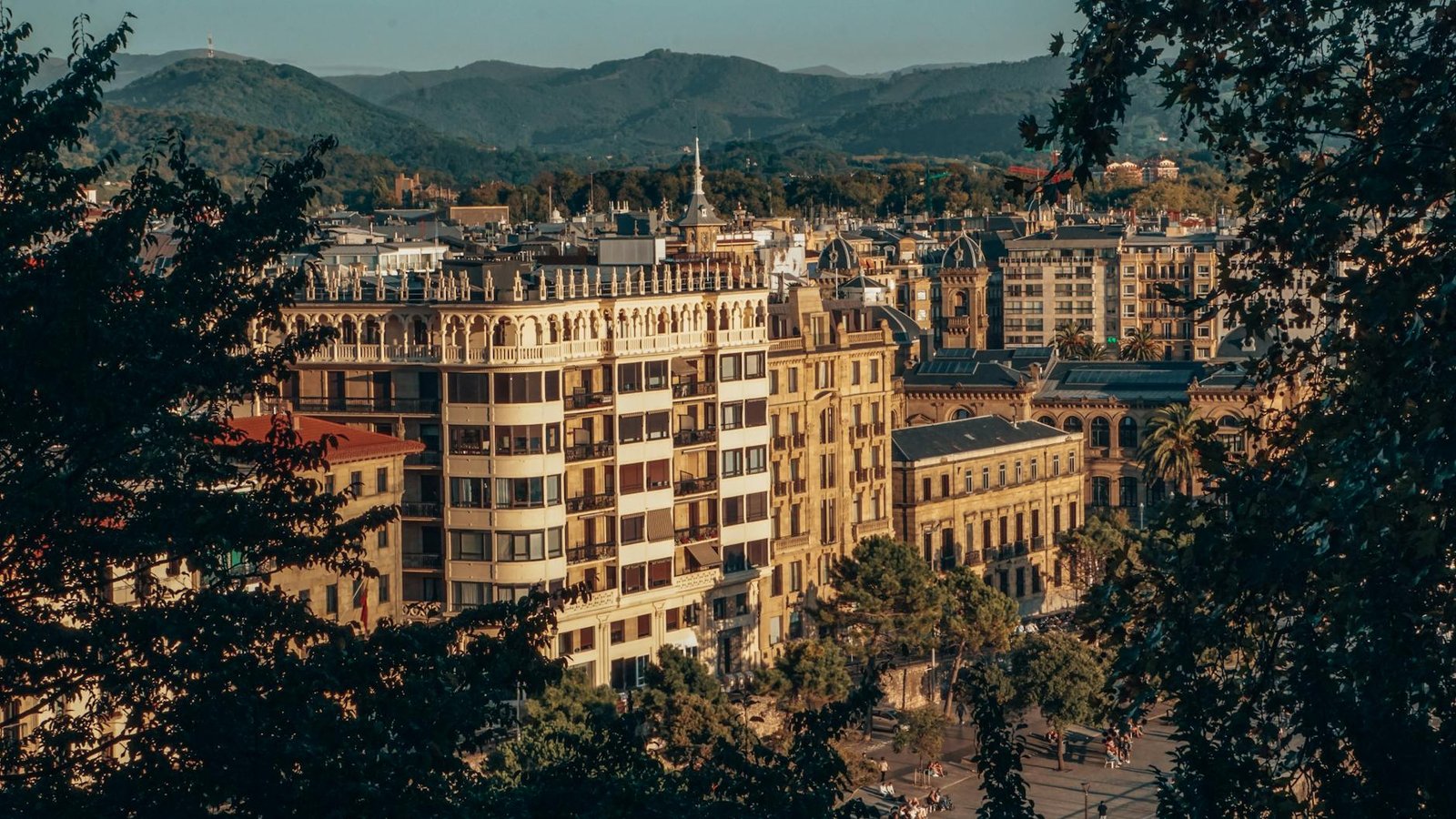
San Sebastian Food Tour – Best Local Food & Restaurants
San Sebastian Food Guide: A Culinary Journey Through Spain‘s Gastronomic Capital
San Sebastian — or Donostia, as the Basque locals insist on calling it — is unlike anywhere else I’ve eaten. Tucked along the Bay of Biscay in the green, rainy north of Spain, this small city of 180,000 people has somehow accumulated more Michelin stars per square kilometer than almost anywhere on the planet. But here’s the thing: the Michelin stars aren’t even the point. The real reason serious food lovers treat a San Sebastian food tour like a pilgrimage is the street food. Specifically, the pintxos bars of the old town, where you can eat as well standing at a bar counter for three euros as you can sitting down in most European cities for thirty.
The History of San Sebastian’s Food Culture
To get why San Sebastian eats the way it does, you need a bit of context about the Basques. They’re one of Europe’s oldest ethnic groups — their language, Euskara, is completely unrelated to any other known language and was already ancient when the Romans arrived. Food has always been bound up in that fierce, particular identity.
The Cantabrian Sea fed this city for centuries. Basque fishermen were extraordinary navigators, sailing all the way to Newfoundland and Iceland for cod long before Columbus went anywhere. That outward-looking spirit brought home ingredients, techniques, and a genuine curiosity that made the Basque kitchen different from everything else on the Iberian peninsula.
The txoko, or gastronomic society, is the institution that shaped everything. These private dining clubs — historically men-only, though many have changed that in recent decades — were where serious Basque cooks gathered to cook elaborate meals together, compete, argue, and refine. They turned cooking from a domestic necessity into an intellectual obsession. The seeds of a global culinary revolution were planted in these unglamorous rooms.
That revolution broke through in the 1970s and 80s, when a group of young Basque chefs — Juan Mari Arzak and Pedro Subijana leading the charge — took the nouvelle cuisine ideas coming out of France and applied them to their own regional traditions. Nueva Cocina Vasca wasn’t about abandoning the past. It was about interrogating it hard, then elevating it. Their restaurants became proper laboratories. San Sebastian became the city where modern gastronomy, as the world now understands it, essentially grew up.
Meanwhile, on the street level, pintxos were quietly undergoing their own evolution. What started as a slice of bread with an anchovy on top became something else entirely — miniature compositions, tiny plates of real cooking, a whole culture of grazing and socializing that makes the old town feel genuinely alive on any given Tuesday night.
Must-Try Foods in San Sebastian
1. Pintxos
If you eat only one thing in San Sebastian, make it pintxos — though stopping at just one is a genuine impossibility. These bite-sized snacks line the bar counters of virtually every establishment in the old town. The word pintxo means spike or thorn in Basque, referring to the toothpick that holds the thing together. But don’t let the format fool you. The best pintxos in San Sebastian are serious cooking compressed into two bites: a single seared scallop on a crisp crouton with black ink aioli, a skewer of grilled chorizo with properly caramelized onion, a delicate mound of bacalao pil-pil that took someone hours to prepare.
The etiquette is simple and completely enjoyable. Walk into a bar. Look at what’s on the counter. Point at what you want. Order a glass of txakoli — the local fizzy, bone-dry white wine — or a cold Estrella Damm. Eat standing up. Pay by counting your toothpicks on the way out. Then walk fifty meters and do it again. Most pintxos cost between one and three euros each. It’s one of the most democratic ways to eat well anywhere in Europe, and the San Sebastian food scene is built around it.
2. Bacalao al Pil-Pil
Salt cod has been central to Basque cooking for centuries, and bacalao al pil-pil is its most iconic expression — a dish that looks simple and absolutely is not. The cod goes into olive oil and garlic over very low heat, and then the cook spends twenty minutes or more gently swirling and shaking the pan until the natural gelatin from the fish emulsifies with the oil into a trembling, glossy sauce of serious richness. No cream. No flour. No shortcuts. Just patience and technique.
The name supposedly comes from the sound the oil makes as the fish gently simmers — a soft, rhythmic pil-pil. Order it at a traditional Basque restaurant, not somewhere with photographs on the menu, and you’ll taste something that has barely changed in generations. Pair it with txakoli or a young white Rioja. It will make immediate sense.
3. Grilled Turbot (Rodaballo a la Parrilla)
The Basques have a near-reverential relationship with the sea, and nothing demonstrates that better than a whole grilled turbot. At the fish restaurants along the harbor, a whole flat fish — draped over a custom iron grill — goes over wood embers until the skin is just barely crisped and the flesh stays pearlescent and yielding underneath. The accompaniment is deliberately minimal: olive oil, lemon, maybe a drizzle of refrito — garlic and chili briefly fried together. That’s it.
This is not cheap. A whole turbot for two will cost you somewhere between €60 and €90 depending on the restaurant and the size of the fish. But it sits in that category of meals — along with a great bowl of ramen in Tokyo or a proper bistro steak in Paris — that you reconstruct in memory years later and still feel satisfied by.
4. Marmitako
This is fisherman’s food. Originally cooked on the boats themselves in a marmita — the small pot that gives the dish its name — marmitako is chunks of fresh bonito tuna with potatoes, onions, peppers, and tomatoes in a deeply savory broth. It’s practical, filling, completely honest cooking that tells you exactly where it came from.
September is when you want to eat this. The bonito season peaks then, and fish caught that morning has a richness that no frozen or farmed alternative can touch. Look for it in the older, more traditional restaurants of the old town, or in the working-class bars of the Gros neighborhood — the surfer district across the river — where it sometimes shows up as a menú del día starter for three or four euros.
5. Txuleta (Basque T-Bone Steak)
People come to San Sebastian for the seafood and leave talking about the beef. Txuleta is a thick-cut bone-in rib steak from old dairy cows — aged between eight and eighteen years. Old cows. This sounds wrong, but it isn’t. The Basques worked out long ago that properly rested, aged meat from a mature animal develops complexity, marbling, and a deep mineral character that young beef can’t get close to.
The preparation is aggressively simple. The meat comes to room temperature, gets coarse salt, and goes over charcoal at very high heat. The outside chars hard. The inside stays bloody red. It arrives on a wooden board with sea salt and nothing else. Restaurants like
Book a Food Tour in San Sebastian
Join a small-group food tour and taste the best of San Sebastian with a local guide. Skip the tourist traps — discover the hidden spots only locals know.

Book a Food Experience in Top Destinations
Handpicked experiences — book with free cancellation and instant confirmation.
Explore More Food Tours
More food guides from Spain:
You might also enjoy:
- Milan Food Tour Guide (Italy)
- Lisbon Food Tour Guide (Portugal)
The Real Pintxos Crawl: How Locals Actually Do It in the Parte Vieja
The txikiteo is not a pub crawl. You are not meant to linger. Donostiarras move through the Parte Vieja in tight loops, spending maybe twenty minutes at each bar, ordering two or three pintxos and a chato of txakoli or a small draught beer, paying immediately, and leaving. The rhythm is the point. Arrive hungry around 12:30 for the morning round or 19:30 for the evening one — those are when the trays come out fresh. If you sit down, you have already marked yourself as a tourist.
Calle Fermin Calbeton is where the serious eating happens. At Bar Txepetxa (number 5), order the anchovy pintxos without negotiating with yourself — the one with spider crab cream on a crisp bread is the reason regulars come back weekly. Two doors down, Bar Borda Berri has no trays at all; everything is made to order and the slow-cooked veal cheek pintxo and risotto of idiazabal cheese justify the slightly longer wait. This is where younger Donostiarras eat when they want something that takes the format seriously.
On Calle 31 de Agosto, La Viña is genuinely non-negotiable, but only for one thing: the burnt Basque cheesecake. Do not fill up before you get there. Bar Zeruko nearby does theatrical, modernist pintxos that polarize locals — worth one visit for the bacalao with pil-pil foam, but it skews expensive and the portions reflect that.
The gilda deserves its own moment. It is the original pintxo: a skewer of manzanilla olive, pickled guindilla pepper, and salt-cured anchovy. Order one at Bar Martinez on Calle 31 de Agosto, where they have been making them since the 1950s. Do not modify it.
Now for the honest part. The entire western edge of the Parte Vieja along Calle Puerto and anything within fifty meters of the cathedral entrance is largely tourist infrastructure. The pintxos there sit under hot lamps for hours. The bars worth your time are one or two streets inland, slightly harder to find, and usually louder because they are actually full of people who live here.
- Pay as you go, not at the end — this is not a tab culture
- Point at what you want from the bar, do not wait to be served
- If the bread underneath the pintxo is soggy, it has been sitting too long — move on
- Sunday morning is the most local session; Friday night is the most crowded
Frequently Asked Questions
How much does a food tour in San Sebastian cost?
Food tours in San Sebastian typically range from €25 to €80 per person for a guided group tour. Private tours and premium culinary experiences can cost more, while self-guided food walks are often free or low-cost.
How long do food tours in San Sebastian last?
Most guided food tours in San Sebastian last between 2 and 4 hours and include multiple tasting stops. Walking food tours tend to run around 3 hours, while sit-down dining experiences may last longer.
What local dishes should I try on a San Sebastian food tour?
A food tour in San Sebastian is the best way to discover authentic local specialties. Your guide will take you to street food markets, traditional restaurants, and neighbourhood gems that locals love — dishes you would never find on your own.
What is the best area for street food in San Sebastian?
The best areas for street food and local cuisine in San Sebastian are usually found in the old town, central food markets, and traditional neighbourhoods away from the main tourist hotspots. A local food guide will show you exactly where to go.
Are food tours in San Sebastian suitable for people with dietary restrictions?
Most food tour operators in San Sebastian can accommodate vegetarian, vegan, halal, and gluten-free diets with advance notice. Always inform your guide of any dietary requirements when booking so they can plan the best route for you.