Hamburg Food Tour – Best Local Food & Restaurants
Hamburg, Germany: The Ultimate Food Guide
Introduction: Why Hamburg is a Food Lover’s Paradise
Hamburg doesn’t get nearly enough credit as a food city. Berlin hogs the spotlight, Munich gets the tourists, but Germany’s second-largest city — one of Europe’s great historic ports — has quietly built one of the most interesting culinary scenes on the continent. Of the three, Hamburg is the one that tends to surprise visitors most.
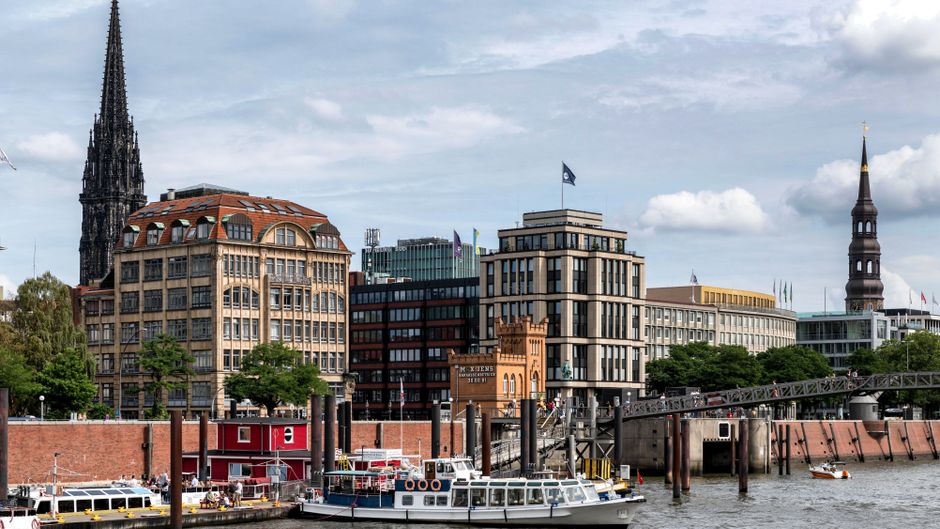
The city’s relationship with food makes sense when you understand its history. Centuries of maritime trade meant ingredients, influences, and recipes arrived here from everywhere. That cosmopolitan character never left. Today you’ll find traditional German cuisine sitting comfortably alongside Vietnamese street food, Japanese izakayas, and genuinely creative modern cooking — all within a few kilometers of each other in neighborhoods like Altstadt, Schanze, and Eimsbüttel.
The Elbe River ties everything together. This isn’t poetic language — it’s literal. Hamburg’s food culture grew out of feeding sailors, trading fresh catch, and building recipes around what the water provided. Fishmongers still shout at the famous fish markets. The Fischbrötchen vendors have been in the same spots for decades. That maritime heritage shows up on plates across the city, from humble harbor-side stalls to proper white-tablecloth restaurants.
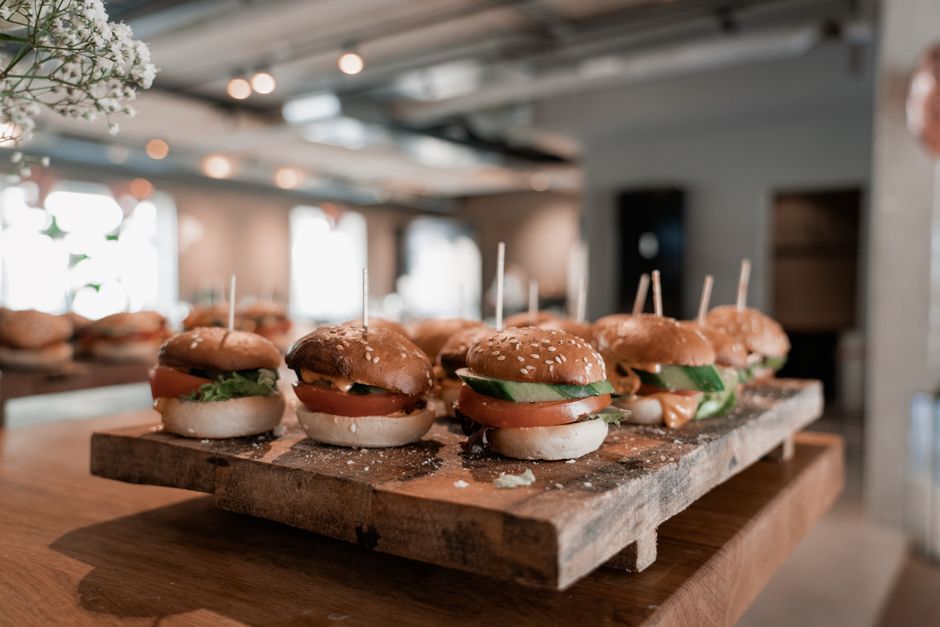
The gastronomic scene here rewards curiosity. Don’t just eat where the hotel concierge suggests.
Top Street Food: Quick Bites and Local Favorites
Start with a Fischbrötchen. Full stop. This crusty roll stuffed with fresh herring or mackerel, smeared with remoulade and loaded with raw onions, is the most honest food Hamburg makes. The best versions come from the vendors at Altonaer Fischmarkt or the fish sandwich stalls strung along the waterfront — nowhere near the tourist-facing restaurants. It’ll cost you around €3-4. Eat it standing up, ideally with water in your sightline.
Labskaus is harder to love at first glance. A sailor’s stew of corned beef, potatoes, beets, and herring topped with a fried egg and pickles — it looks like something that happened to a plate rather than something assembled intentionally. But it’s genuinely good, and it tells you something real about Hamburg’s working-class history. Casual eateries throughout the city serve it; don’t skip it because of how it photographs.
Franzbrötchen deserve more international attention than they get. Think of a cinnamon roll that’s been flattened and caramelized, with a slightly crispy exterior and soft, spiced interior. Bakeries all over the city make them, but locals in Eimsbüttel will tell you theirs are best — and honestly, they might be right. Perfect with coffee at 8am or as a 3pm sidewalk snack.

Currywurst exists here too. Berlin claims the invention, Hamburg does it well. Get it from a street vendor, not a sit-down place, and pair it with an Alsterwasser — the local beer-and-lemonade mix that sounds wrong but is exactly right on a warm afternoon.
Best Food Tours: Guided Culinary Experiences
I’ll be honest: I usually skip food tours. Most feel like being herded between mediocre tastings by someone reading from a script. Hamburg is different enough — and the food culture deep enough — that a good guide actually adds value here.
[viator_box]
Viator lists several solid Hamburg food tours, including the “Hamburg Food and Culture Walking Tour” that pairs market tastings with walks through historic neighborhoods. These typically run 3-4 hours and hit specialty food shops and traditional restaurants that most visitors walk straight past. The better guides explain *why* Hamburg’s food culture developed the way it did, which makes the eating more interesting.
[gyg_box]
GetYourGuide has the “Hamburg Fish Market & Breakfast Tour” which takes you to Altonaer Fischmarkt early — and early matters here. The market runs Sundays from 7am to 9:30am (April through October) or until 10am in winter, and it’s genuinely at its best in those first raw hours when the vendors are in full swing. Doing this with someone who knows which fishmongers to trust, and who’s been selling the same family catch for thirty years, is worth the tour price alone.
Both platforms let you book flexibly, which matters if Hamburg’s weather has other ideas for your morning.
Best Restaurants: From Casual to Michelin-Starred
For serious dining, Hamburg’s two three-star kitchens sit at opposite ends of the city’s character. The Table Kevin Fehling in HafenCity seats twenty people at one curved cherry-wood counter, so the whole room eats the same menu at the same pace. Restaurant Haerlin, in the Hotel Vier Jahreszeiten with the Inner Alster outside the window, has had Christoph Rüffer in the kitchen for more than twenty years. Book either well ahead. Prices match the quality, so budget accordingly.
Steffen Henssler’s restaurant does modern European food in a polished setting and has built a real following beyond just food-curious tourists. Worth it if you want something sophisticated without the full fine-dining ritual.
Café Paris in the Altstadt is where I’d go for a long weekend lunch. Open since 1884, French-German cuisine in a Belle Époque room that hasn’t been over-restored into Instagram bait. Order the classics. The space does the talking.
For traditional Hamburg food without spending like you’re on an expense account, head for the old taverns — small, historic, and the right place to eat Labskaus and feel like you understand the city a little better. Old Commercial Room dates to the 17th century and serves one of the better Hamburg breakfasts in town alongside solid traditional mains.
Schanze has the energy if you want something more current. Café Klatsch and Polarwerk both do German comfort food with a lighter, contemporary touch. The neighborhood itself — young, slightly scruffy, genuinely local — is worth an evening of wandering even if you don’t end up at either place.
Fish Markets and Food Halls: Where Locals Shop and Eat
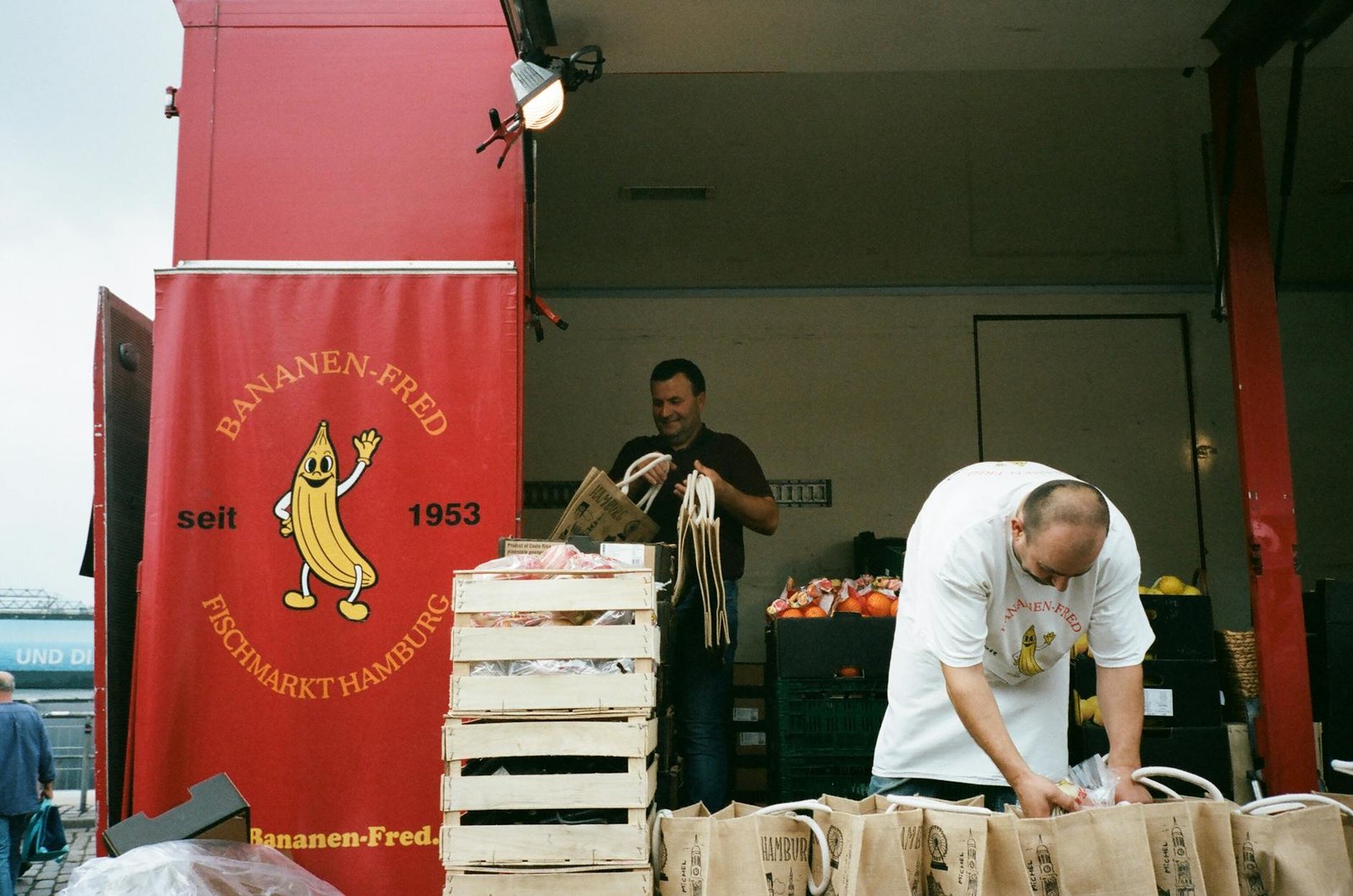
Altonaer Fischmarkt is the real thing. Open since 1703, which means it was already 200 years old when most modern cities were still being planned. Sunday mornings are when it operates — 7am to 9:30am April through October, until 10am in the colder months — and the energy is something you have to experience to believe. Vendors shouting, fish everywhere, Fischbrötchen sellers doing serious business, locals buying produce for the week. It’s crowded, a bit chaotic, and completely worth it.
Go early. The atmosphere after 9am gets more tourist-heavy and the best vendors start packing up.
Markthalle Hamburg in the Altstadt is the indoor alternative — over 100 vendors, more than 100 stalls selling fresh produce, fish, cheese, bread, and prepared food from across the world. It’s a good lunch spot and an easy place to assemble something excellent to eat by the water. Less atmospheric than the fish market but more practical, and open more days of the week.
Großmarkthalle in Hammerbrook is where the city’s restaurants actually buy their ingredients — but it is a wholesale market, not a place you can visit and shop. Trading runs from 2am to 9am Monday to Saturday and only commercial buyers are admitted, so treat it as background rather than a stop on your itinerary.
Regional Specialties: Dishes You Must Try
Finkenwerder Scholle is the dish I tell people to order when they want to understand Hamburg in a single plate. A whole flounder caught in the Elbe, cooked simply with butter and lemon. That’s it. The simplicity is the point — good fish, treated well.
Aalsuppe (eel soup) sounds like a dare but isn’t. It’s sweet and savory in a combination that takes some mental adjustment but makes sense after the first few spoonfuls. Centuries of tradition behind it.
Buletten — Hamburg’s meatballs — appear on nearly every traditional menu and are rarely talked about but always good. Workmanlike, satisfying, honest food.
For Matjes herring, look for it at market stalls rather than restaurants if you can. Young herring cured with vinegar, onions, and spices, served with dark bread and a cold beer. The quality of the fish matters enormously here, which is why buying it where the fish actually comes from makes a difference you’ll taste.
Don’t overlook the sides. Kartoffelsalat, Rotkohl, sauerkraut — Hamburg’s best restaurants treat these as seriously as the main dish, and they’re right to. And try the bread: Pumpernickel and Vollkornbrot show up everywhere because they’re daily staples, not novelty items. A good German bakery in this city is worth finding and returning to.
When to Visit for Food: Seasonal Considerations
April through June is asparagus season, and Hamburg takes white asparagus seriously in a way that borders on reverent. It appears on every menu, prepared every possible way — simple with hollandaise, grilled, worked into more creative dishes. If you’re here during this window, eat it constantly. Spring also brings fresh herring, making it the best season for Matjes at its peak quality.
Summer — June through August — is the obvious choice for outdoor food exploration. The waterfront restaurants along the Elbe are actually pleasant to sit at, the markets are in full swing, and the long daylight hours mean you can eat dinner outside at 8pm without it feeling strange.
Fall is underrated. Hunting season starts in September and game dishes begin appearing on menus through autumn — a side of Hamburg’s food culture that most visitors miss entirely because they come in warmer months. October into November brings beer festivals and the kind of hearty cooking that makes cold weather bearable.
December’s Christmas markets (Weihnachtsmärkte) are legitimately excellent. Glühwein, Lebkuchen, roasted chestnuts from street vendors — it gets touristy, yes, but the food is real and the atmosphere delivers. Just dress properly. Hamburg in December is cold and the wind off the water means it feels colder than the thermometer suggests.
For comprehensive food touring — hitting markets, eating outside, covering ground comfortably — May through September is your window.
Conclusion: Creating Your Hamburg Food Journey
Hamburg rewards the visitor who eats with intention. Show up at Altonaer Fischmarkt before 8am on a Sunday. Find a Franzbrötchen bakery in Eimsbüttel. Order the Labskaus even though the photo won’t win any awards. Book a table at one of the places mentioned above rather than defaulting to wherever looks busy near your hotel.
The Hamburg food tour experience — whether guided or self-directed — works best when you understand what you’re actually tasting: centuries of maritime trade, working-class practicality, and a cosmopolitan openness that most German cities took much longer to develop. Every Fischbrötchen and every Michelin-starred plate is part of the same story. The city earns its place alongside Berlin and Munich at the table of serious German food destinations.
Go hungry. Leave full of both food and a much clearer picture of what Hamburg actually is.
Book a Food Experience in Hamburg
Handpicked experiences — book with free cancellation and instant confirmation.
Explore More Food Tours
More food guides from Germany:
You might also enjoy:
- Gdansk Food Tour Guide (Poland)
- Wroclaw Food Tour Guide (Poland)
Featured in:
Frequently Asked Questions
How much does a food tour in Hamburg cost?
Food tours in Hamburg typically range from €25 to €80 per person for a guided group tour. Private tours and premium culinary experiences can cost more, while self-guided food walks are often free or low-cost.
How long do food tours in Hamburg last?
Most guided food tours in Hamburg last between 2 and 4 hours and include multiple tasting stops. Walking food tours tend to run around 3 hours, while sit-down dining experiences may last longer.
What local dishes should I try on a Hamburg food tour?
A food tour in Hamburg is the best way to discover authentic local specialties. Your guide will take you to street food markets, traditional restaurants, and neighbourhood gems that locals love — dishes you would never find on your own.
What is the best area for street food in Hamburg?
The best areas for street food and local cuisine in Hamburg are usually found in the old town, central food markets, and traditional neighbourhoods away from the main tourist hotspots. A local food guide will show you exactly where to go.
Are food tours in Hamburg suitable for people with dietary restrictions?
Most food tour operators in Hamburg can accommodate vegetarian, vegan, halal, and gluten-free diets with advance notice. Always inform your guide of any dietary requirements when booking so they can plan the best route for you.