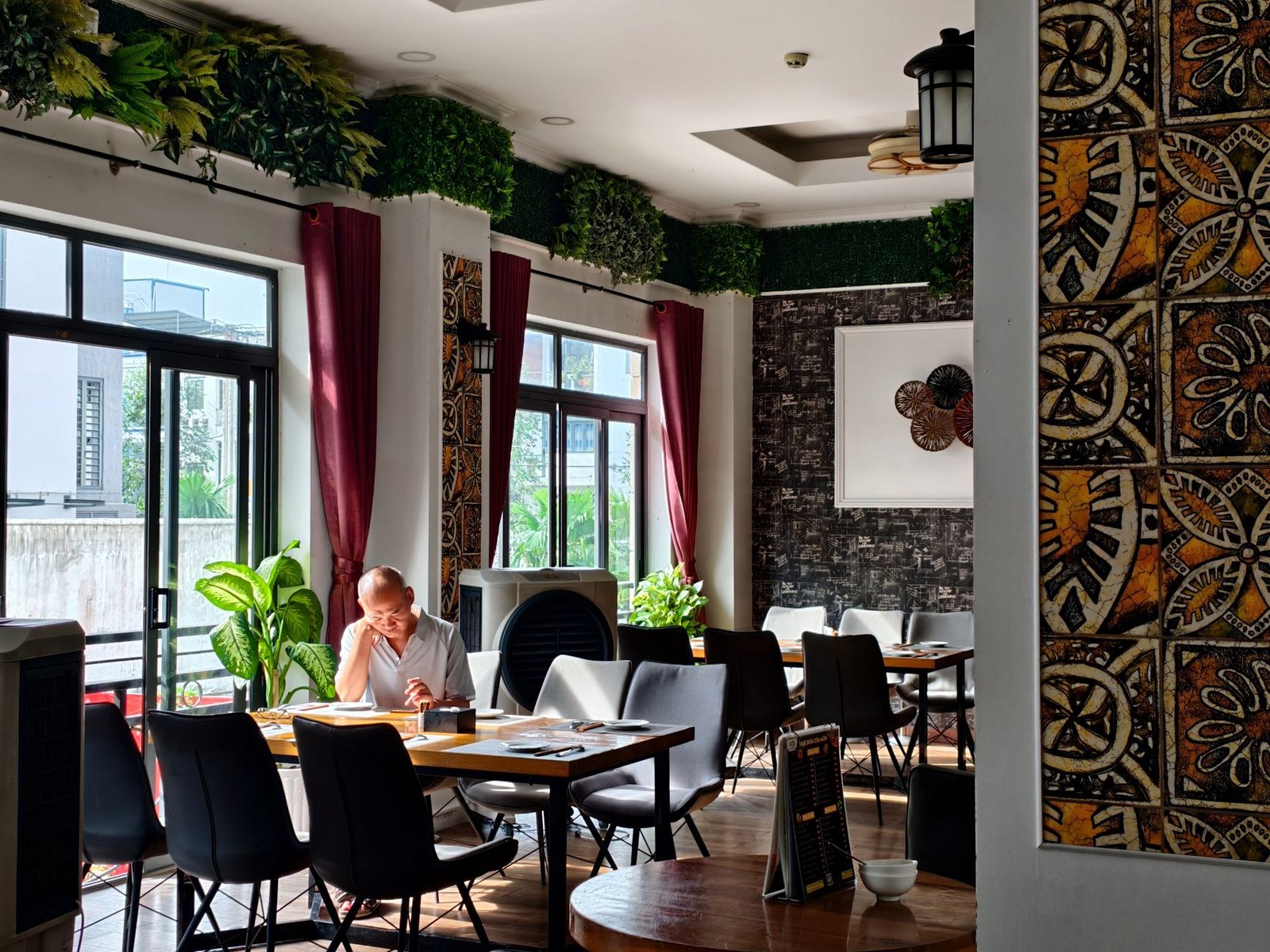
Dining Solo: Restaurant Etiquette Every Traveler Should Know
There is a particular kind of freedom that comes with pulling up a chair at a restaurant table for one, ordering exactly what you want, and lingering over a glass of wine without any agenda but your own. Solo dining is one of the quiet pleasures of independent travel, yet for many people it still carries an unnecessary weight of self-consciousness. The truth is, with a little know-how and the right mindset, eating alone can be one of the most enjoyable and even socially rich experiences a traveler can have. Whether you are navigating a busy trattoria in Rome, a ramen bar in Tokyo, or a farm-to-table bistro in Portland, these practical etiquette tips will help you feel at ease, respected, and genuinely looked after every time you sit down to eat alone.
Bar Seating vs. Table: Choosing Your Spot Wisely
One of the first decisions a solo diner faces is where to sit, and it matters more than you might think. The bar or counter is almost always the solo traveler’s best friend. Sitting at the bar puts you in natural proximity to the bartender or chef, which often leads to better service, conversation, and sometimes even complimentary bites. In high-end restaurants, the bar frequently offers the full dinner menu, meaning you get the same food without the formality of a two-top table that the host may be reluctant to give up on a busy Friday night.
Counter seating is particularly well-suited to certain cuisines. Sushi bars in Japan, ramen counters across Asia, tapas bars in Spain, and wine bars throughout France and Italy are all designed with the solo diner in mind. At Ichiran Ramen in Tokyo and Osaka, every diner gets their own individual booth with a bamboo screen — solo dining is literally built into the architecture. In contrast, claiming a large table for one during peak hours at a popular restaurant in New York or Paris can feel awkward for everyone involved and may earn you a longer wait or a less enthusiastic welcome from staff.
That said, do not be afraid to request a table if that is what you want. Simply call ahead during off-peak hours, mention you are dining solo, and ask if they have a good spot near the window or the open kitchen. Most restaurants will happily accommodate you, especially if you give them the heads-up.
Tipping Norms by Country: What Solo Diners Need to Know
Tipping can feel confusing even in groups, but as a solo diner you are spending less overall, which means you need to be especially thoughtful about how you handle gratuity. The golden rule is simple: tip based on service quality and local custom, not on your total bill alone.
- United States and Canada: Tipping 18 to 22 percent is standard for table service. If you sat at the bar for two hours nursing a single cocktail and a small plate, tip generously on the time and attention, not just the bill total.
- United Kingdom: A service charge of 10 to 12.5 percent is often added automatically. Check your bill before adding more. If the charge was discretionary and service was good, leaving it on is appreciated.
- Japan: Tipping is not just unnecessary, it can be considered rude. The philosophy is that excellent service is simply part of the job. Put your wallet away and express gratitude verbally instead.
- France and Italy: Leaving a euro or two on the table after a meal is a kind gesture, but heavy tipping is not expected. A service charge is often included in the bill under the label “service compris.”
- Australia and New Zealand: Tipping is not obligatory but rounding up or leaving 10 percent for exceptional service is increasingly common, especially in city restaurants.
- Southeast Asia: In countries like Thailand, Vietnam, and Indonesia, tipping at local spots is rarely expected but always appreciated. At tourist-oriented restaurants, 10 percent is a reasonable guideline.
When in doubt, do a quick search before you travel. Apps like TripAdvisor and travel forums often have destination-specific tipping threads that reflect current local norms.
Book, Phone, or Neither: How to Handle Entertainment at the Table
One of the most common anxieties about eating solo is not knowing what to do with yourself. The answer is simpler than you think: do whatever makes you comfortable, within reason. A paperback novel, a travel journal, or a podcast through discreet earbuds are all completely acceptable companions at a solo meal. In fact, a physical book tends to signal to staff and other diners that you are relaxed and intentional about your time alone, which tends to generate a warm, respectful energy in return.
Phones are fine too, but there are some etiquette nuances worth noting. Scrolling social media is perfectly acceptable. Taking a few photos of your food is a universally understood ritual at this point. However, taking a video call at the table is generally considered inconsiderate to the diners around you, as is using speakerphone. If you need to take a call, step outside briefly.
Some of the best solo dining experiences happen when you put the phone down entirely and pay attention to the room. Watch the open kitchen, eavesdrop on the menu descriptions being given at nearby tables, or strike up a conversation with the person next to you at the bar. Some of the most memorable travel encounters happen over shared plates at a bar counter between strangers who would never have spoken in any other context.
Best Times to Dine Solo and Avoid Awkward Waits
Timing is everything for solo diners, particularly in cities where popular restaurants fill up fast and holding a table for one feels less justified to a busy maître d’. The sweet spots are well worth knowing.
Arriving right when a restaurant opens, typically 5:30 or 6:00 PM in the United States, noon in France, or 7:00 PM in Spain, almost guarantees you a great table with attentive service before the rush hits. Similarly, arriving in the last hour before the kitchen closes often means a more relaxed atmosphere and staff who are happy to chat since the pressure of the dinner rush has passed.
Midweek dining, particularly Tuesday through Thursday, is almost universally better for solo diners than weekend evenings. If you have your heart set on a specific restaurant that is notoriously hard to book, try calling to ask about bar or counter availability on a Wednesday night. More often than not, you will walk right in.
Lunch is also dramatically underrated by travelers. In many European cities, the midday meal is the main event. A three-course lunch at a Paris brasserie or a long leisurely lunch at a vineyard restaurant in Tuscany can cost half what dinner would and often provides a more authentic, less tourist-heavy experience.
Where Solo Dining Is Normal and Where It Feels Unusual
Cultural context shapes the solo dining experience enormously. In Japan, eating alone is so normalized that entire restaurant concepts are built around it. Tokyo has dedicated solo ramen shops, solo hot pot restaurants, and even solo karaoke booths. No one looks twice, and no one seats you beside someone you do not know unless you choose communal seating.
Similarly, in the United States, the United Kingdom, Scandinavia, and Australia, solo dining in cafes, casual restaurants, and even mid-range dinner spots is completely unremarkable. A solo diner at a Nordic restaurant in Stockholm or a brunch cafe in Melbourne is just another customer.
In contrast, dining alone in parts of Southern Europe, the Middle East, and Latin America can occasionally attract curious looks, particularly in smaller towns where meals are deeply communal rituals. In these places, a warm, confident manner goes a long way. Smile at the host, engage briefly with the staff, and you will quickly shift from an oddity to a welcomed guest. Some travelers find that joining a food tour in these destinations is a brilliant way to enjoy the local cuisine alongside other people without the social pressure of finding a dining companion. Platforms like Viator and GetYourGuide list a wide range of food walking tours and market experiences in cities from Marrakech to Buenos Aires where you can connect with fellow travelers and knowledgeable local guides while sampling the best the destination has to offer.
Confidence Tips for the Solo Diner
Confidence at a solo meal is less about attitude and more about preparation. A few small habits make a noticeable difference.
- Make a reservation when possible, even for one. It signals intent and ensures a better table.
- Put your phone away when you first sit down and make brief, genuine eye contact with your server. This simple act tends to result in notably better service.
- Ask for a recommendation. Servers love solo diners who engage, and “what would you order tonight?” is a question that almost always leads somewhere delicious.
- Do not apologize for being alone. Saying “just one” with an apologetic tone sets an unnecessarily awkward tone. “Table for one, please” said simply and pleasantly is entirely sufficient.
- Dress appropriately for the restaurant. Solo diners are sometimes judged more quickly than groups, so dressing one notch above the venue’s expected standard always helps.
- Linger without guilt, but be mindful. If the restaurant is packed and you have finished your meal, it is courteous to wrap up. If it is quiet and the staff seem happy to have you, stay as long as the conversation or the book holds you.
Solo dining, at its best, is a form of travel self-care. It is a dedicated hour or two where you are fully present with a place, its food, and your own thoughts. Whether you are tucking into a bowl of pho at a street-side plastic stool in Hanoi, enjoying a tasting menu at a chef’s counter in Copenhagen, or joining a guided street food tour through Bangkok‘s night markets with newfound friends from your hostel, the table for one is never really lonely when you know how to make it your own. The next time you find yourself traveling solo, book that reservation with confidence, order the wine, ask the server what they love on the menu, and enjoy every single bite. You have earned it.
Book a Food Experience in Top Destinations
Handpicked experiences — book with free cancellation and instant confirmation.
Explore More Food Tours
Guides for the cities in this article:
- Melbourne Food Tour Guide (Australia)
- Rome Food Tour Guide (Italy)
- Marrakech Food Tour Guide (Morocco)
- Hanoi Food Tour Guide (Vietnam)
- Copenhagen Food Tour Guide (Denmark)
- New York Food Tour Guide (USA)
Frequently Asked Questions
Is it rude to ask for a table for one at a busy restaurant?
Not at all — solo dining is completely legitimate, and good restaurants will accommodate you without judgment. That said, being flexible helps: offer to sit at the bar, a counter seat, or a smaller table to make it easier for the host. Avoiding peak hours like 7–9pm on weekends also reduces any awkwardness on both sides.
Should I tip the same percentage when dining alone as I would with a group?
Yes, and arguably you should be even more generous when occupying a table solo. A server earns the same effort waiting on you as they might on a two-top, but the restaurant makes less revenue from your visit. Sticking to the standard 18–20% minimum — or tipping a flat amount that reflects the service — is considered proper etiquette among frequent solo travelers.
Is it acceptable to use my phone or laptop while eating alone at a restaurant?
Using your phone discreetly for reading or light browsing is generally fine at casual restaurants and is widely understood for solo diners. However, avoid video calls, loud audio, or spreading a laptop across a full table during busy service, as it monopolizes space and can disrupt other guests. Fine dining establishments expect you to be more present, so save the screen time for cafés instead.
How do I politely decline conversation from staff or other diners when I just want to eat in peace?
A friendly but brief response followed by returning to your book, phone, or meal sends a clear and universally understood signal. You can also say something simple like, 'Thanks so much — I'm just enjoying a quiet dinner tonight,' which is warm without being dismissive. Wearing headphones or earbuds is another globally recognized cue that you prefer not to be disturbed.
What's the etiquette around how long I can stay at a table when dining solo?
A reasonable rule is to linger no longer than 20–30 minutes after finishing your meal, especially when the restaurant is busy or has a waitlist. If you want to sit longer, ordering dessert, coffee, or an extra drink signals to staff that you're still an active customer rather than occupying space. In Europe, leisurely meals are more culturally accepted, but in North America and parts of Asia, table turnover is a financial priority for restaurants.